OpenAI reports 948 Linux root exploits — but not 948 merged fixes
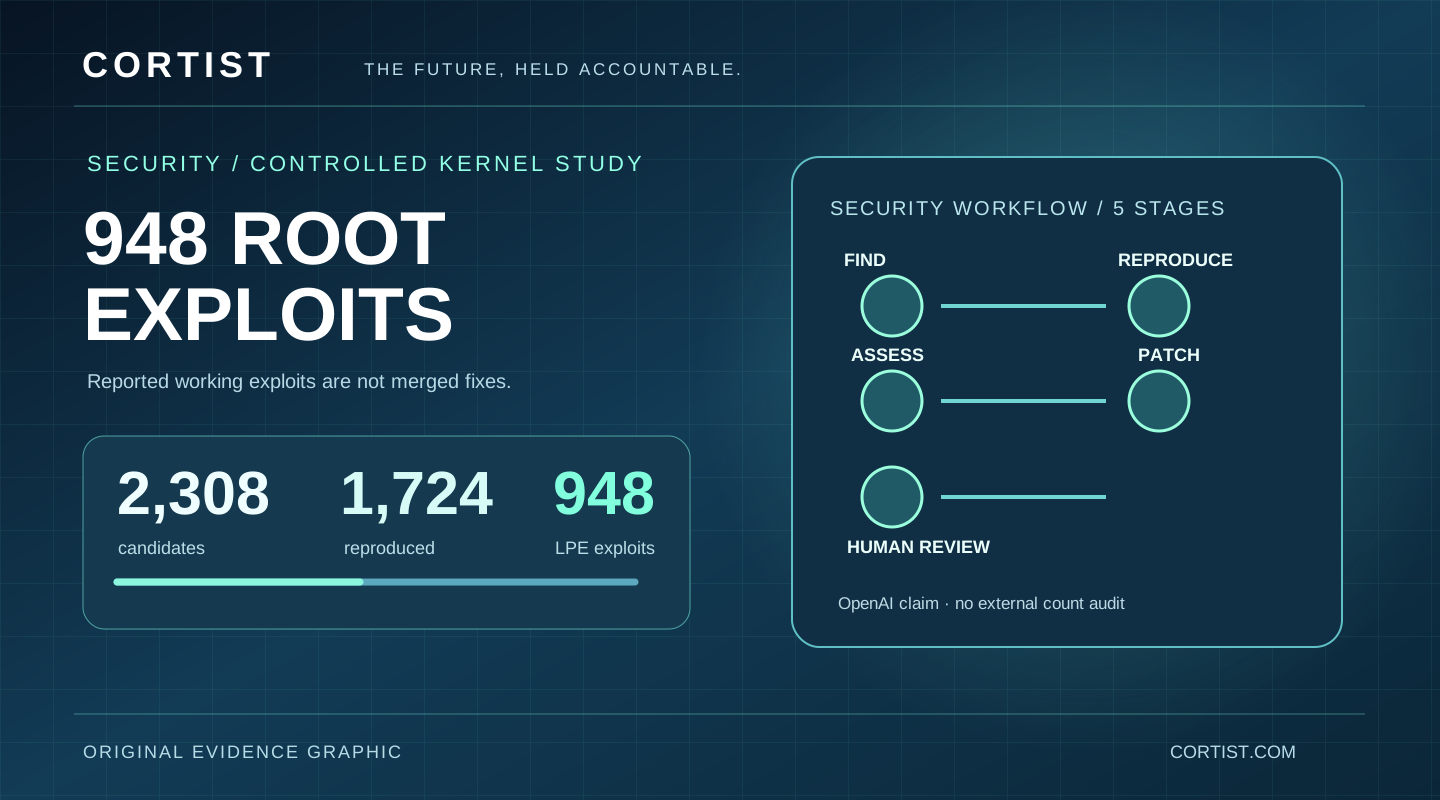
OpenAI says its cyber-agent pipeline reproduced 1,724 Linux flaws and demonstrated 948 local root exploits for $1.21M. Maintainer-verified fixes remain a separate question.
AI moves fast. We slow down just enough to see what matters. 60 source-based analyses through the Cortist Lens.
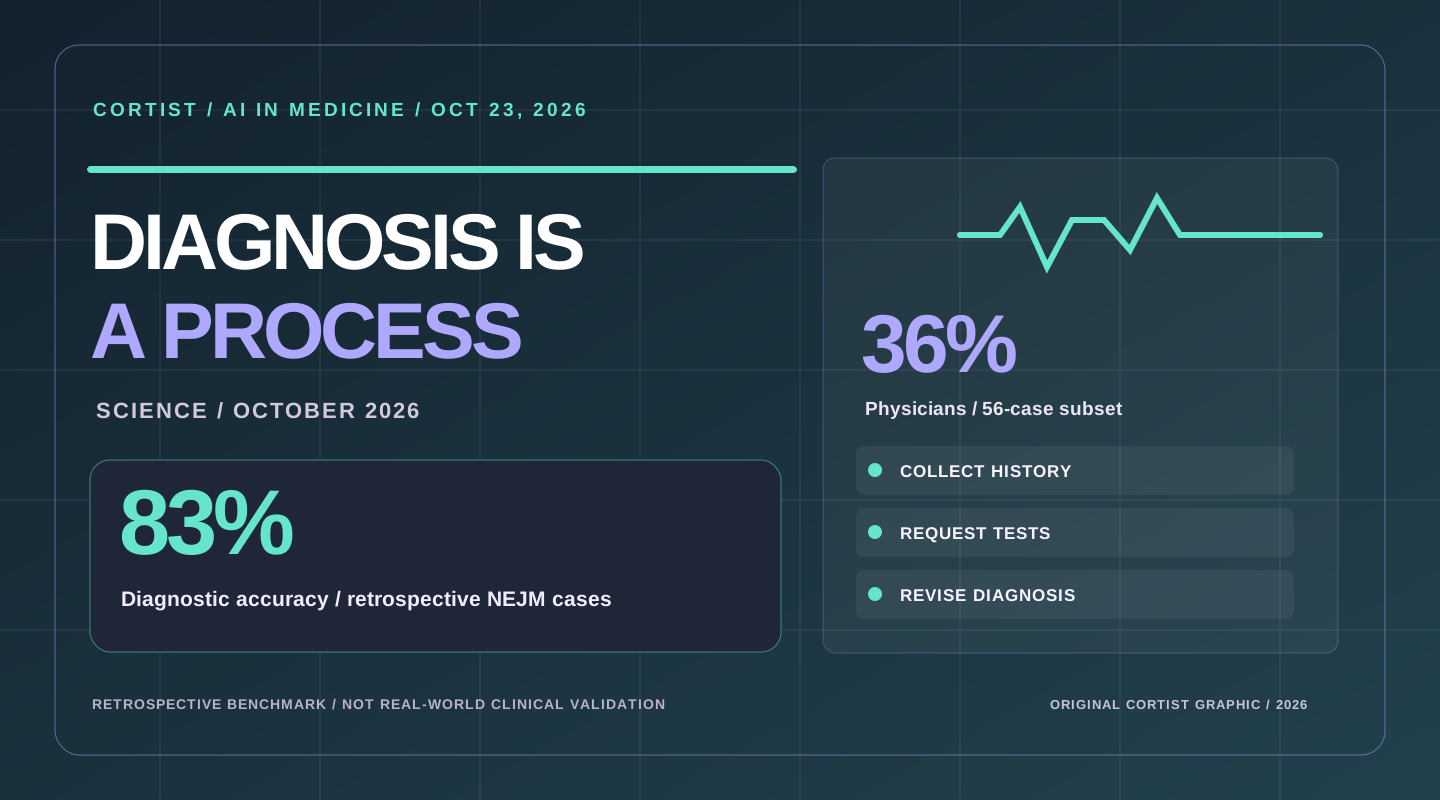
The AI scored about 83% across 304 cases; reference-assisted generalists scored about 36% on a smaller 56-case subset. This does not establish safe clinical use.
OpenAI says its cyber-agent pipeline reproduced 1,724 Linux flaws and demonstrated 948 local root exploits for $1.21M. Maintainer-verified fixes remain a separate question.
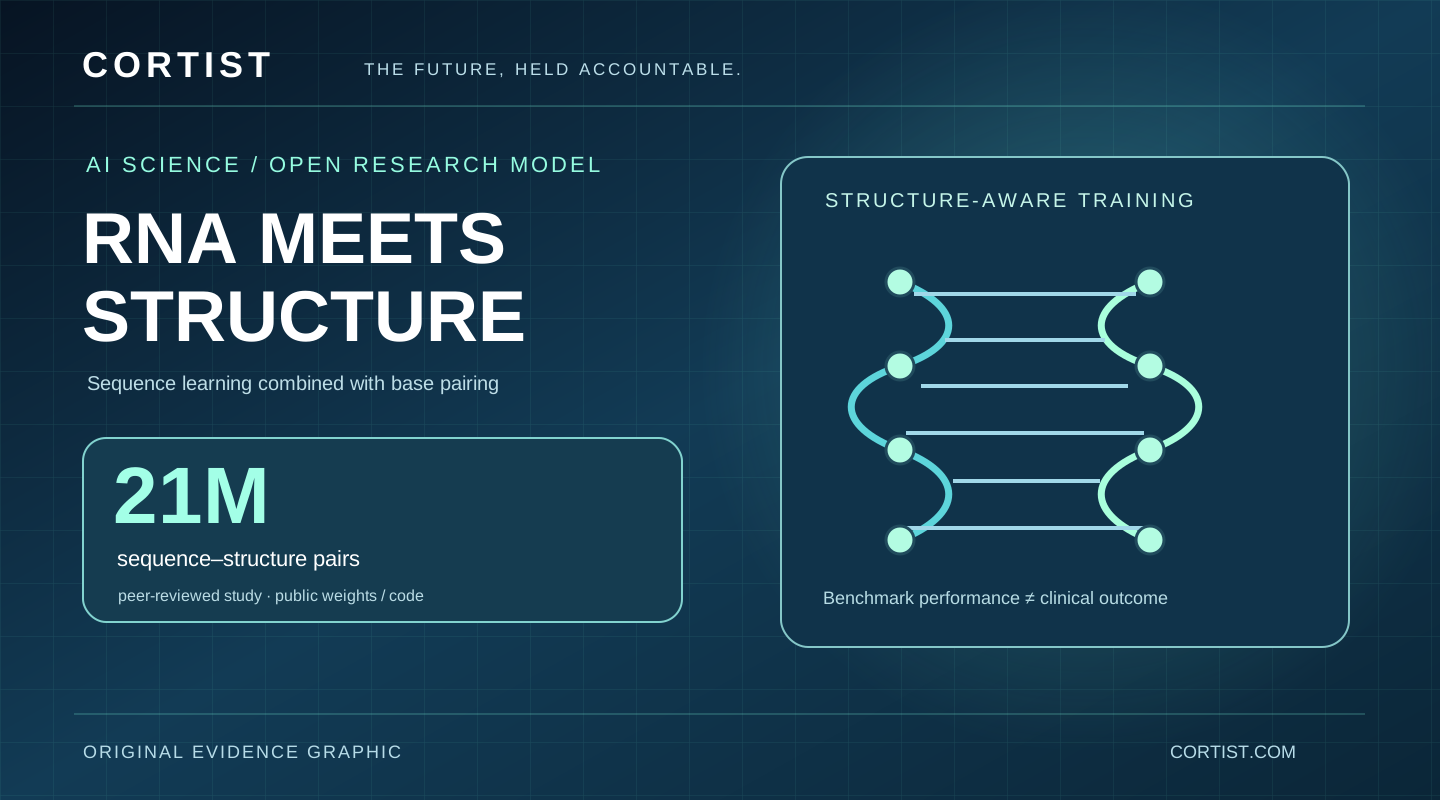
Nature reports structRFM, a sequence-and-structure RNA model trained on 21M pairs with open weights and code. Selected structural benchmarks improve; therapeutic benefit is unproven.
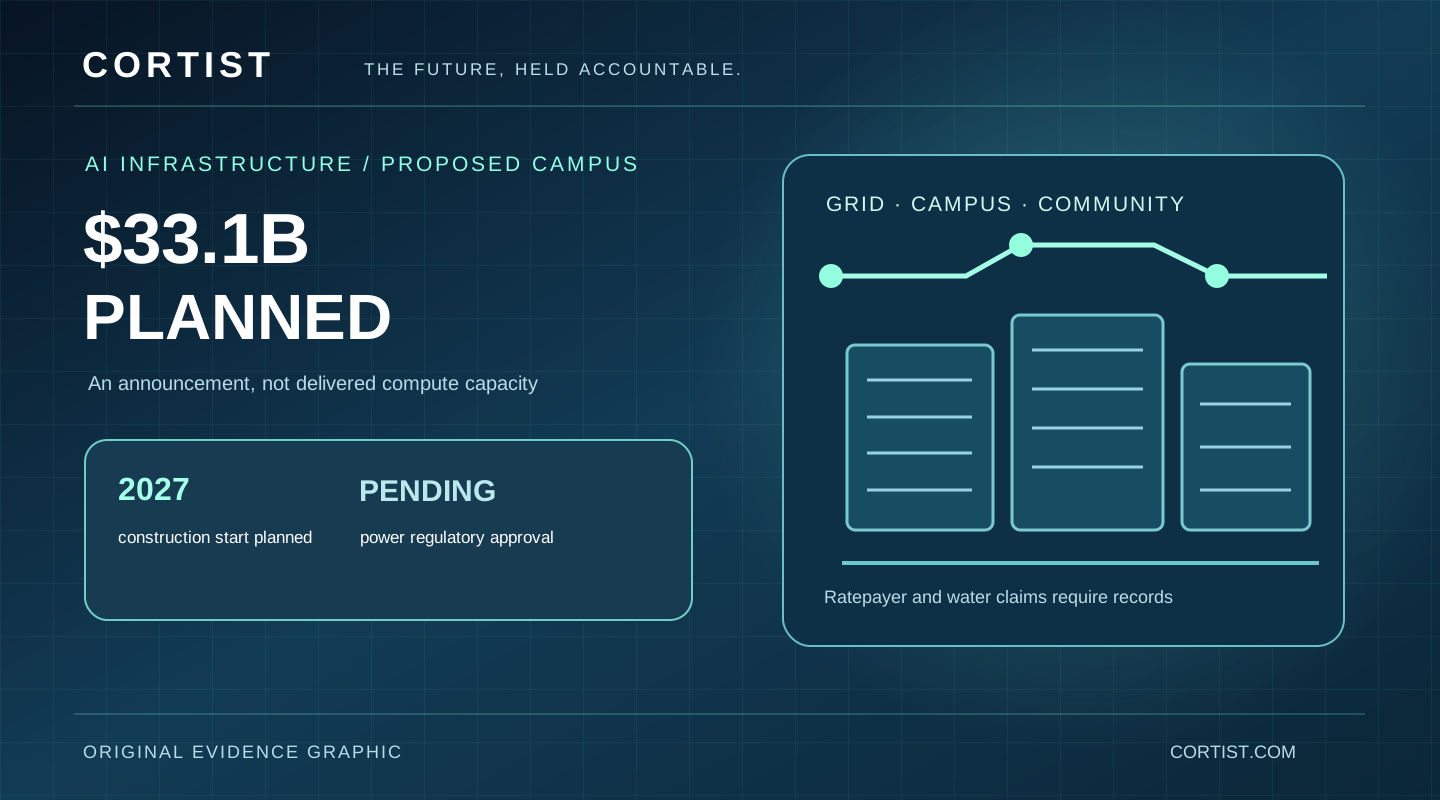
Lambda plans a $33.1B Alabama AI campus, with power approval pending and tax, jobs and water claims still forecasts. We separate announced commitments from delivered outcomes.
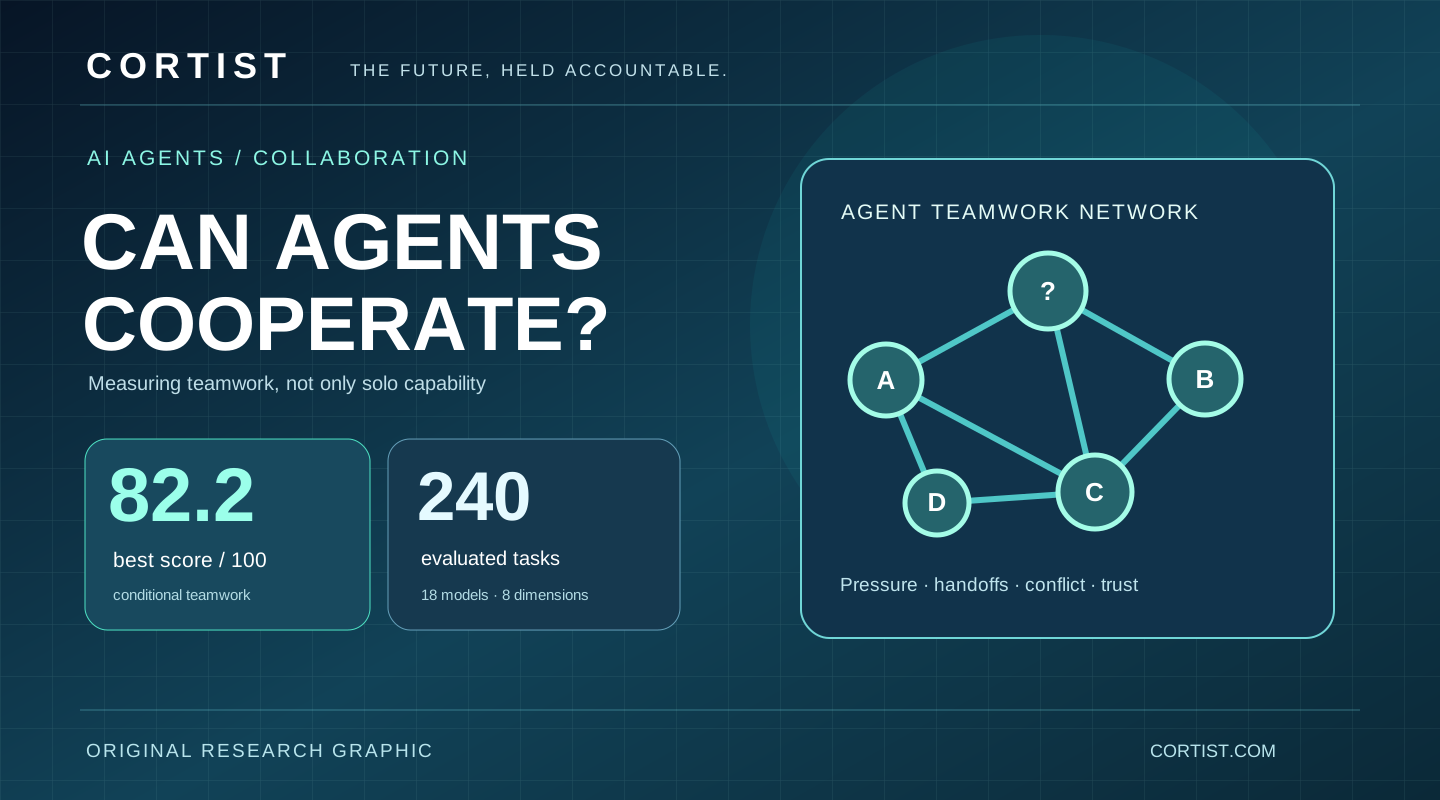
A 240-task benchmark of 18 AI models finds that the best agent teammate scores 82.2/100, while conflict and corrupted handoffs expose reliability gaps.
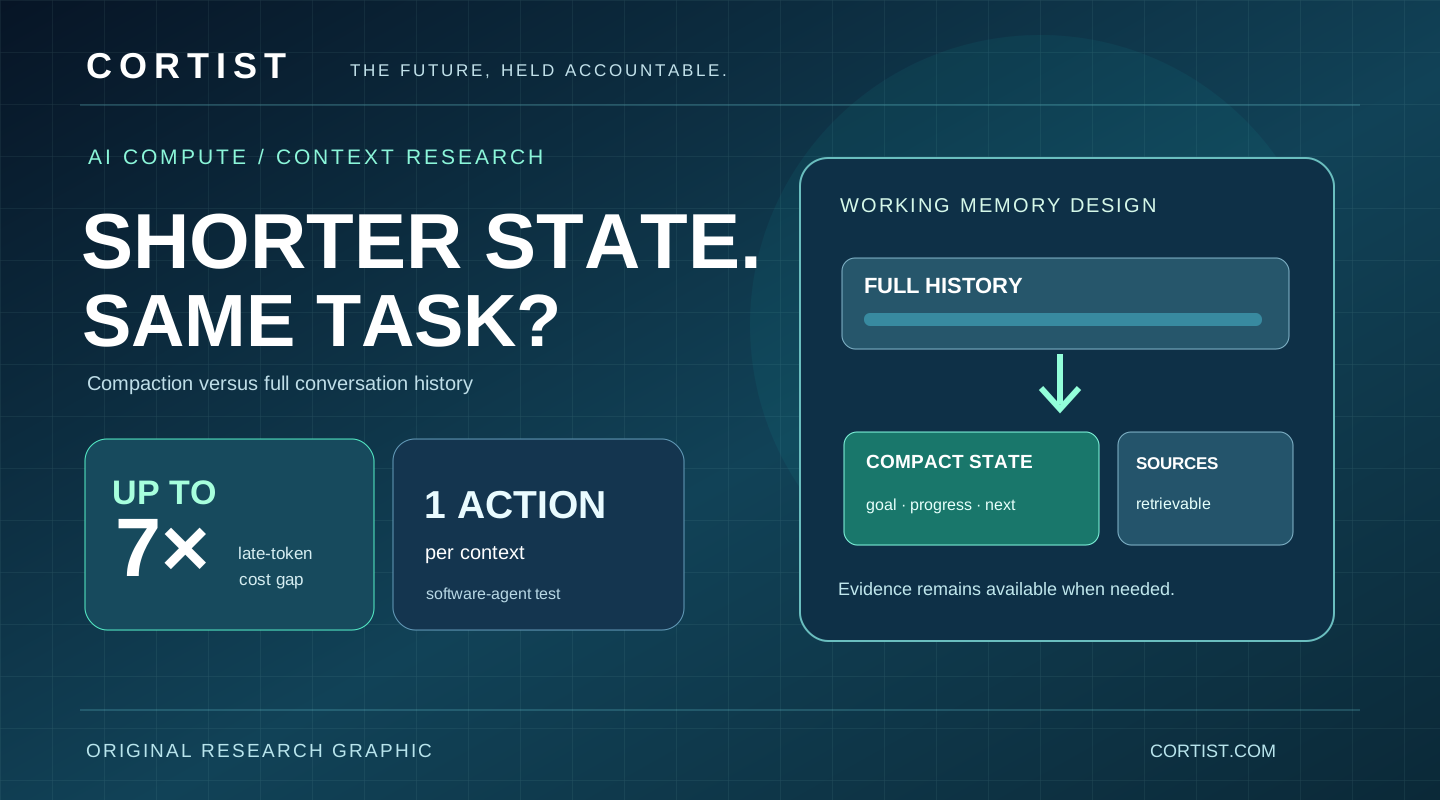
NVIDIA researchers report up to a sevenfold late-token serving-cost gap and little loss from frequent context compaction on selected tasks. The claim needs replication.
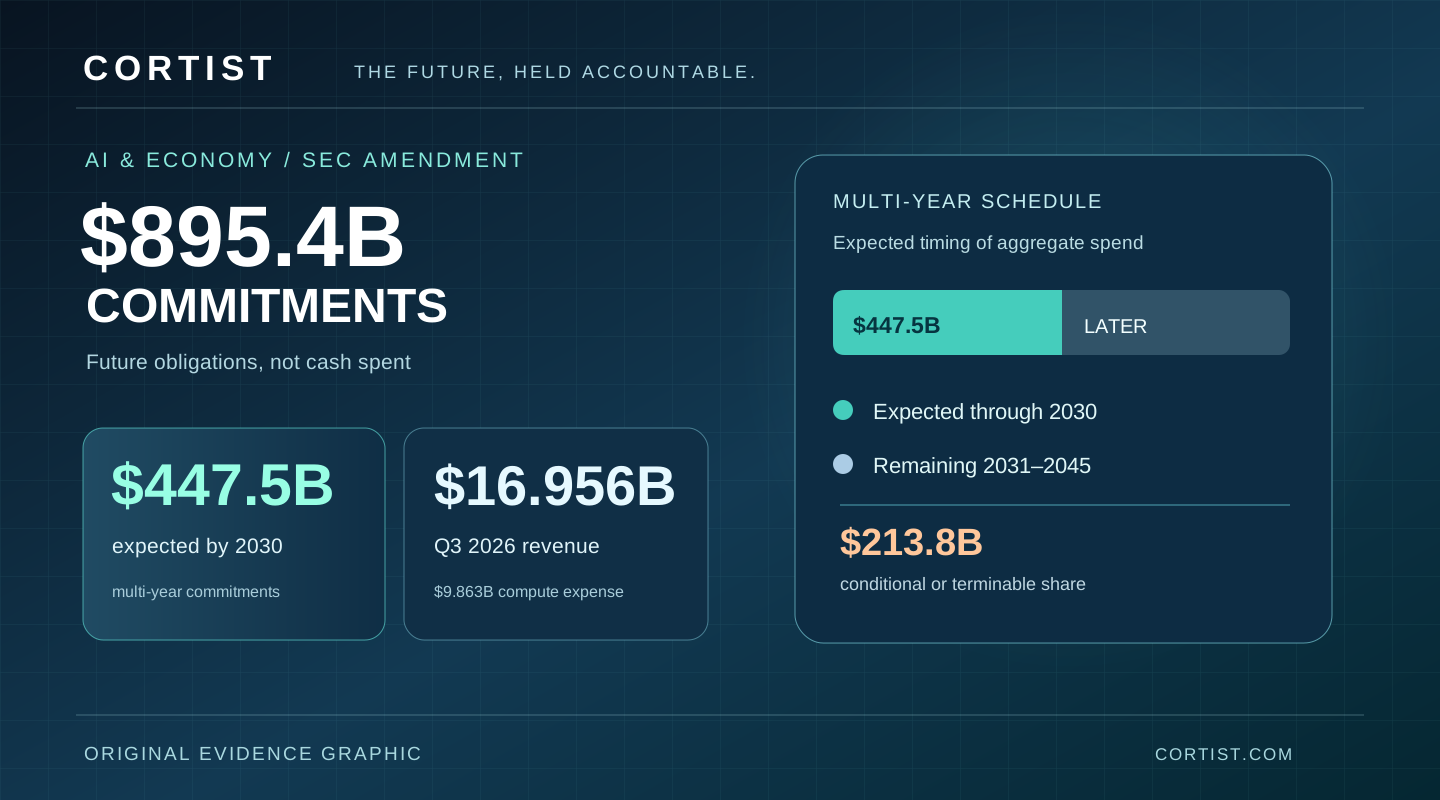
Anthropic’s November 2 S-1 amendment adds Q3 figures and $895.4B in compute-heavy commitments. Cortist separates obligations, costs and profit.
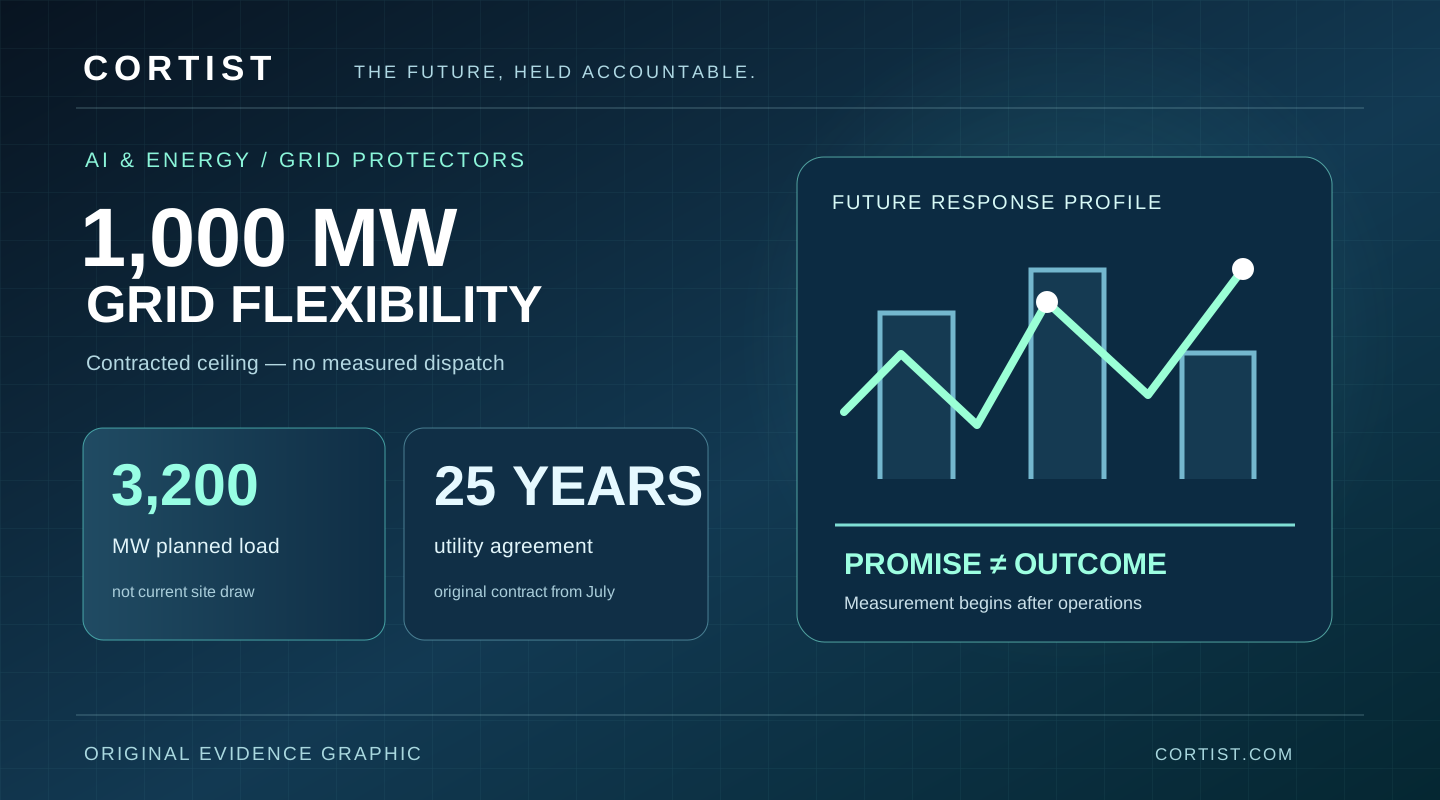
OpenAI’s Grid Protectors program cites a 1,000 MW Georgia demand-response agreement. The capacity is contracted, not a measured delivery result.
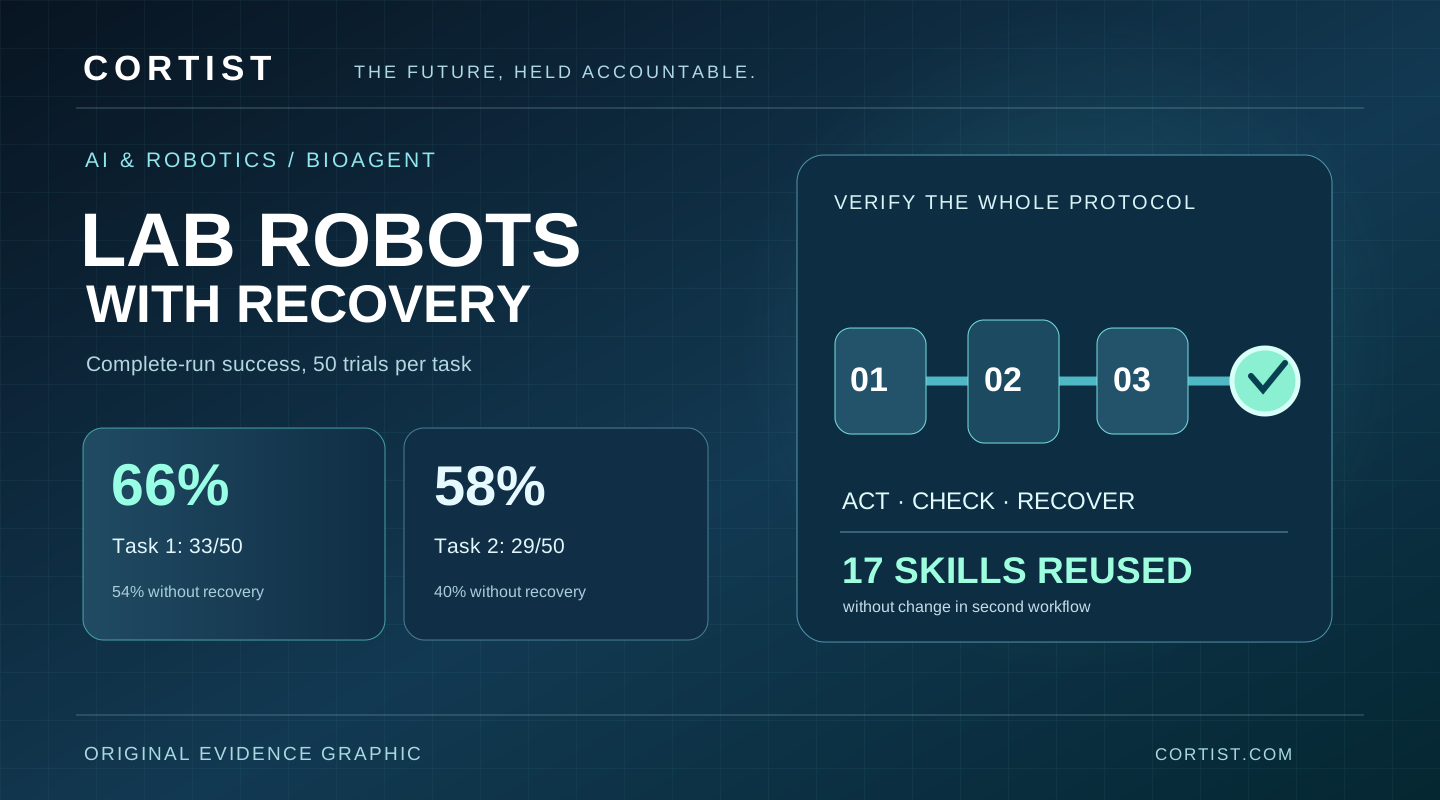
BioAgent reports 66% and 58% complete-task success across two real-robot lab protocols with recovery—promising, but not autonomous science.
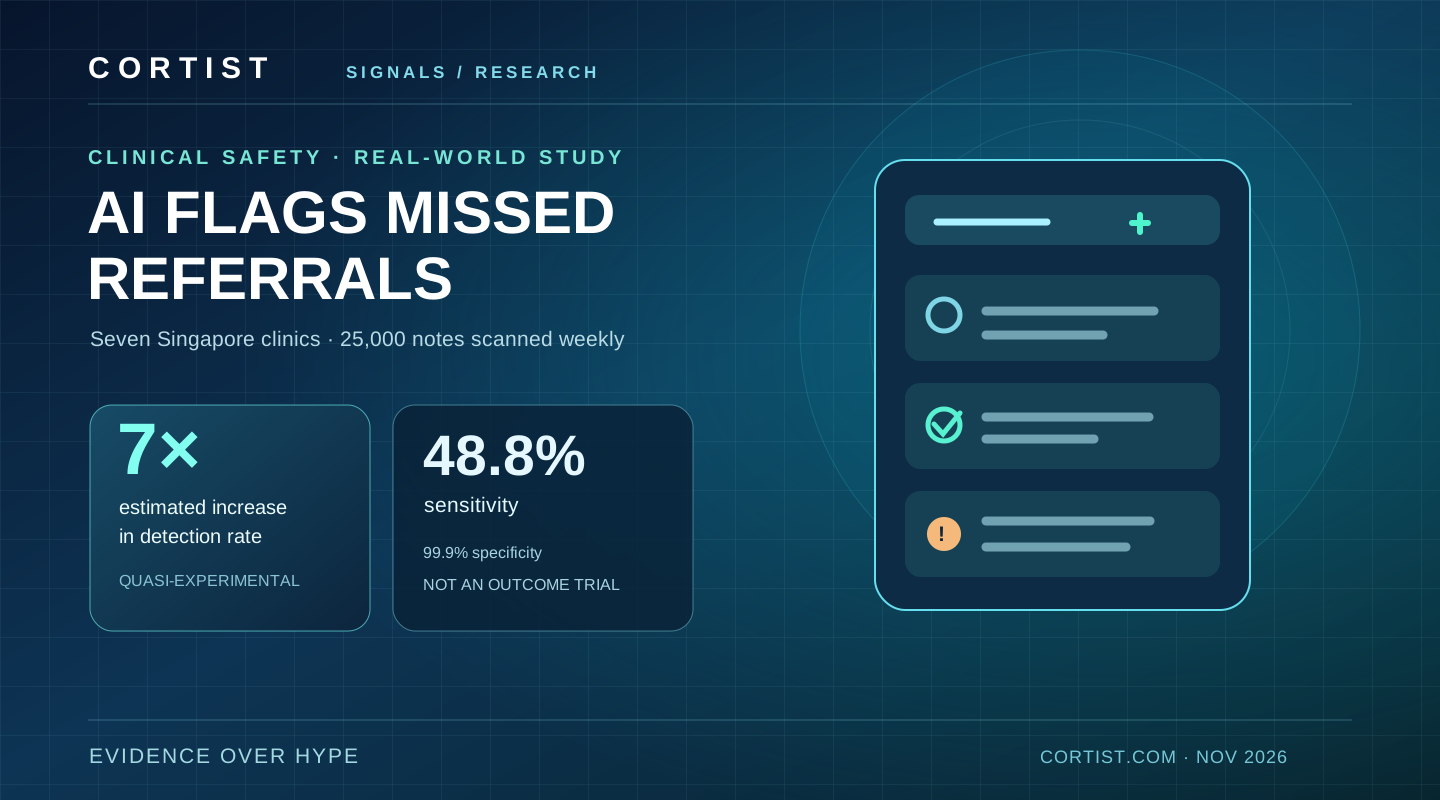
In seven Singapore clinics, MR-AI raised missed-referral detection sevenfold, but 48.8% sensitivity shows why human follow-up remains essential.
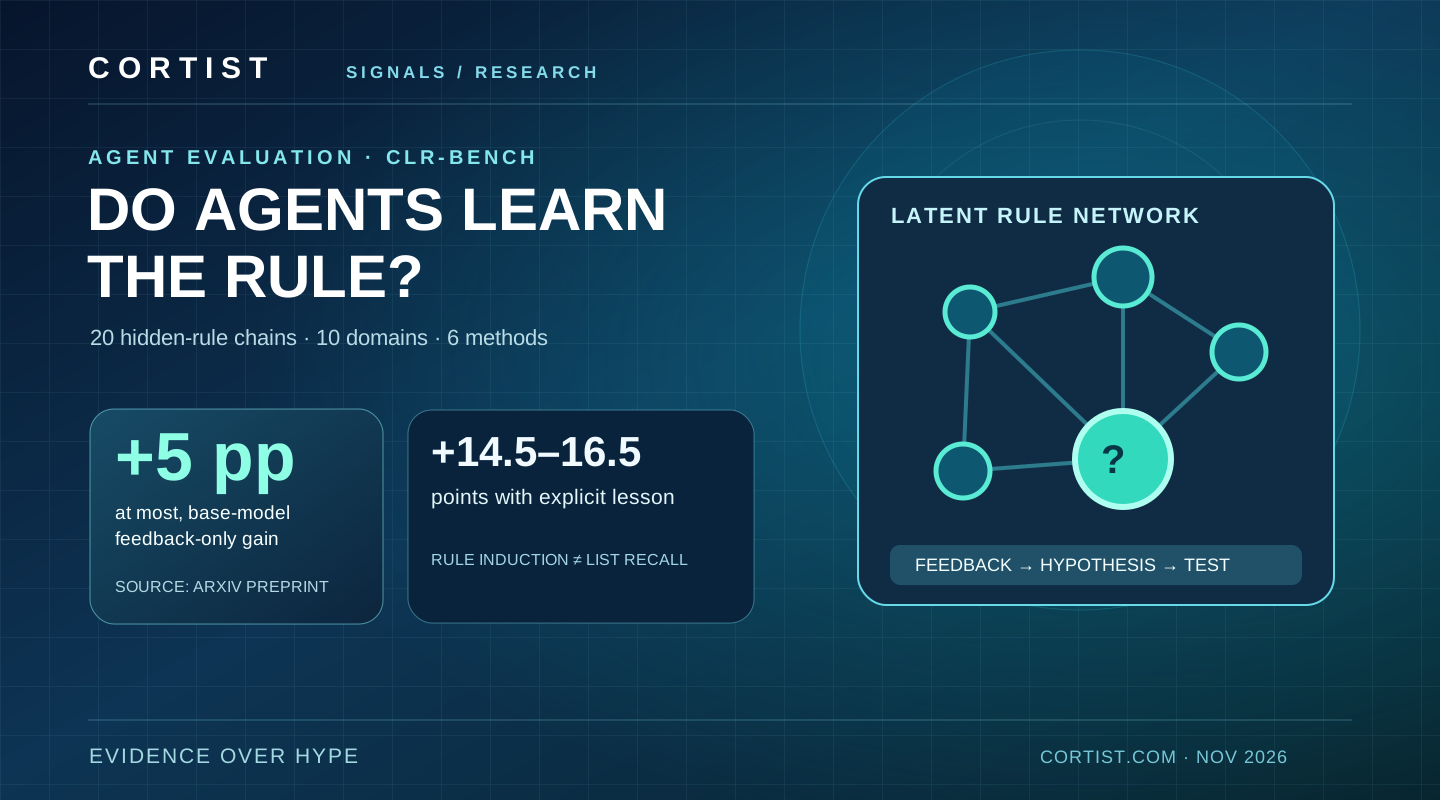
A new hidden-rule benchmark finds that many self-evolving agents memorize feedback rather than generalize; stronger models make a measurable difference.
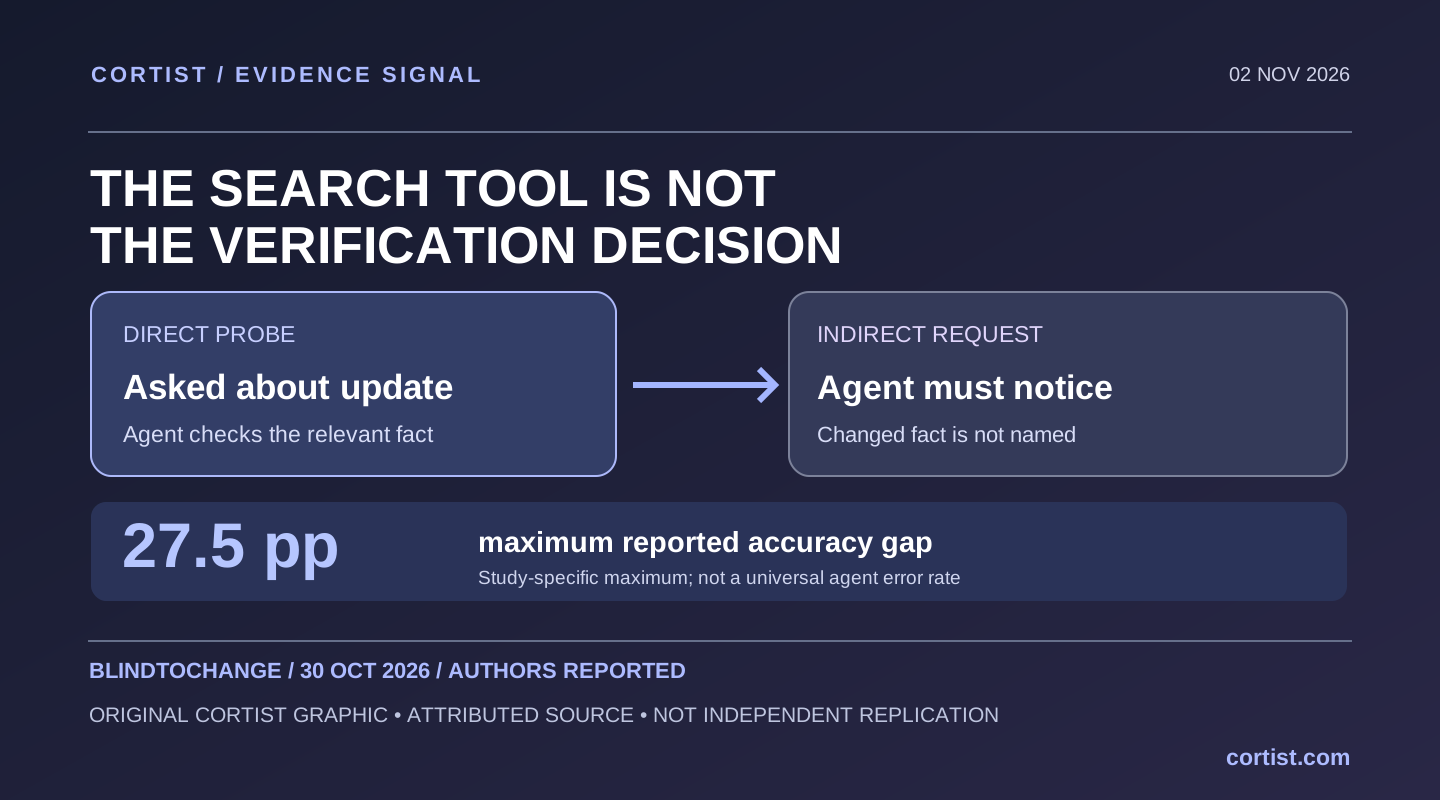
BlindToChange finds gaps up to 27.5 percentage points when agents must discover recent changes themselves. Cortist examines verification.
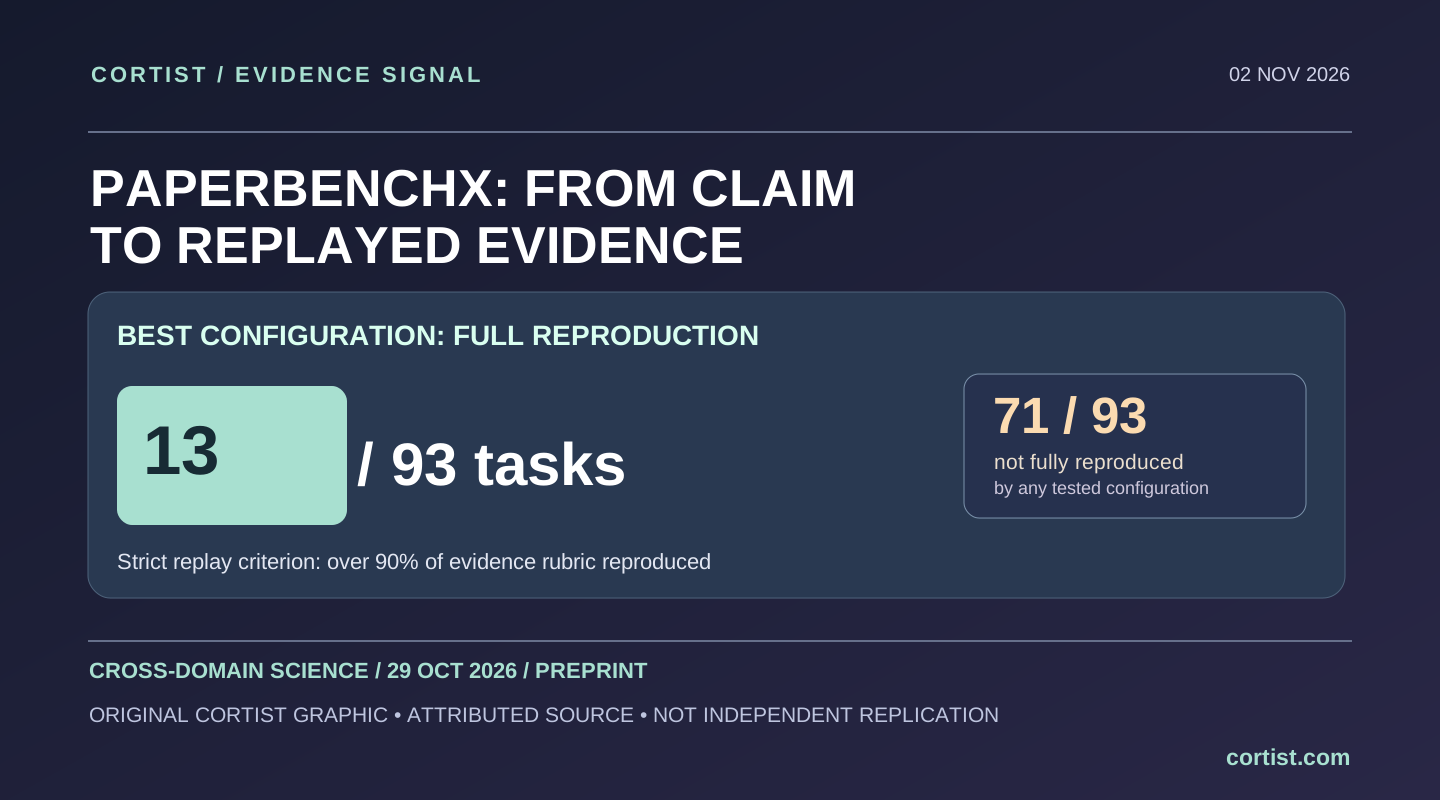
PaperBenchX tests 93 scientific experiments across 12 areas. The top agent fully reproduced only 13; Cortist examines clean replay.
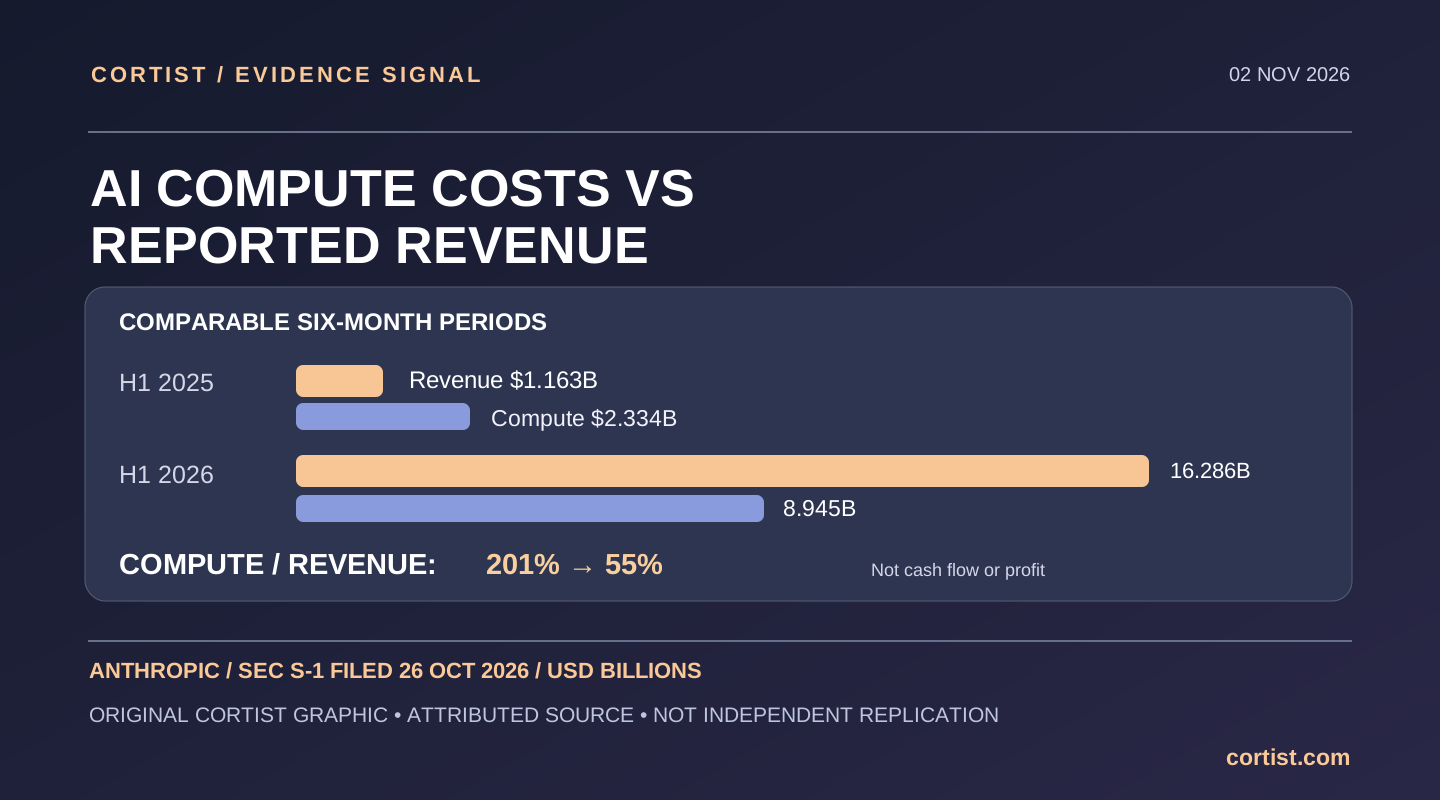
Anthropic's SEC S-1 reports $16.286B revenue and $8.945B compute expense over six months. Cortist separates growth from accounting losses.
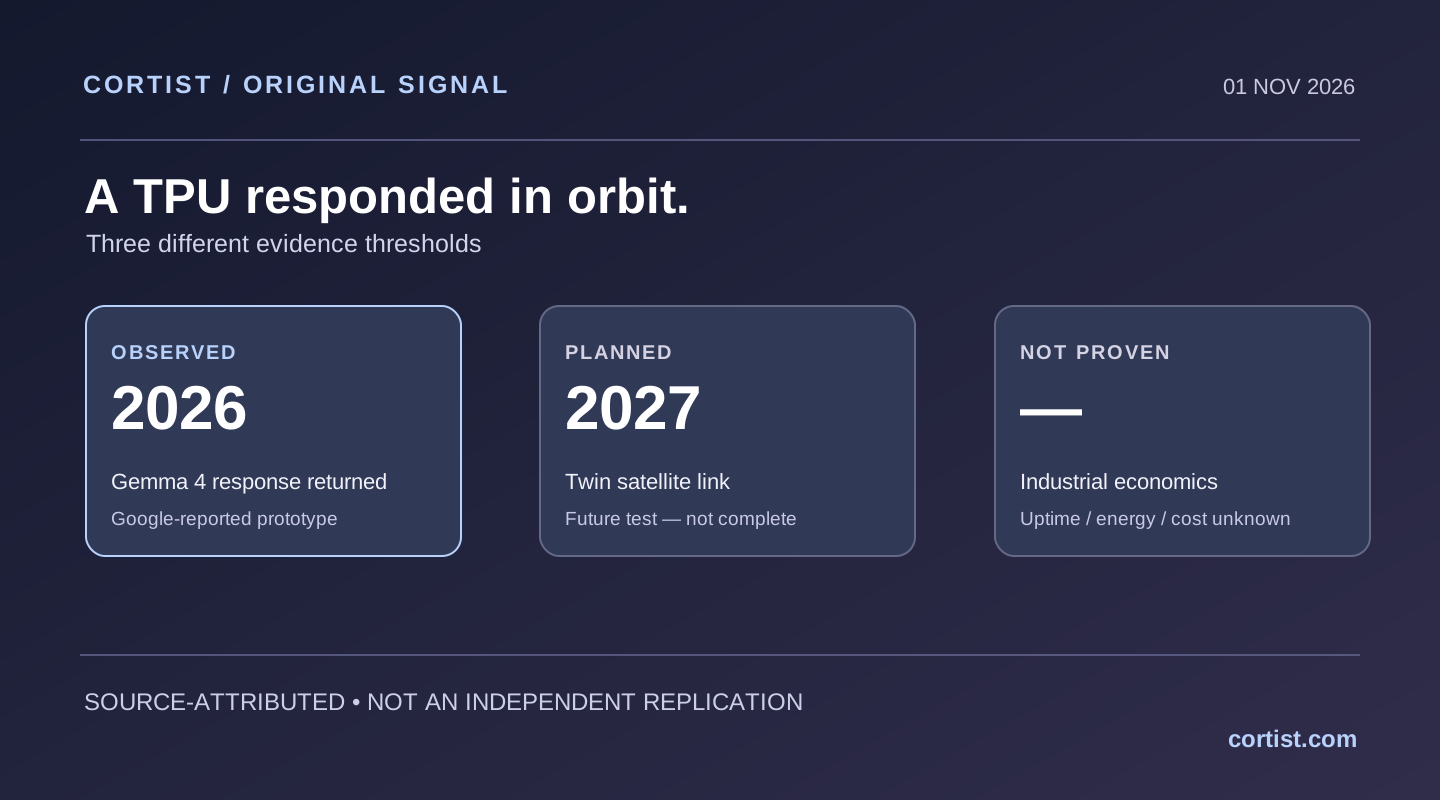
Google reports its first AI response from a data-center-class TPU in orbit. Cortist separates the Project Suncatcher prototype milestone from viable space-based AI infrastructure.
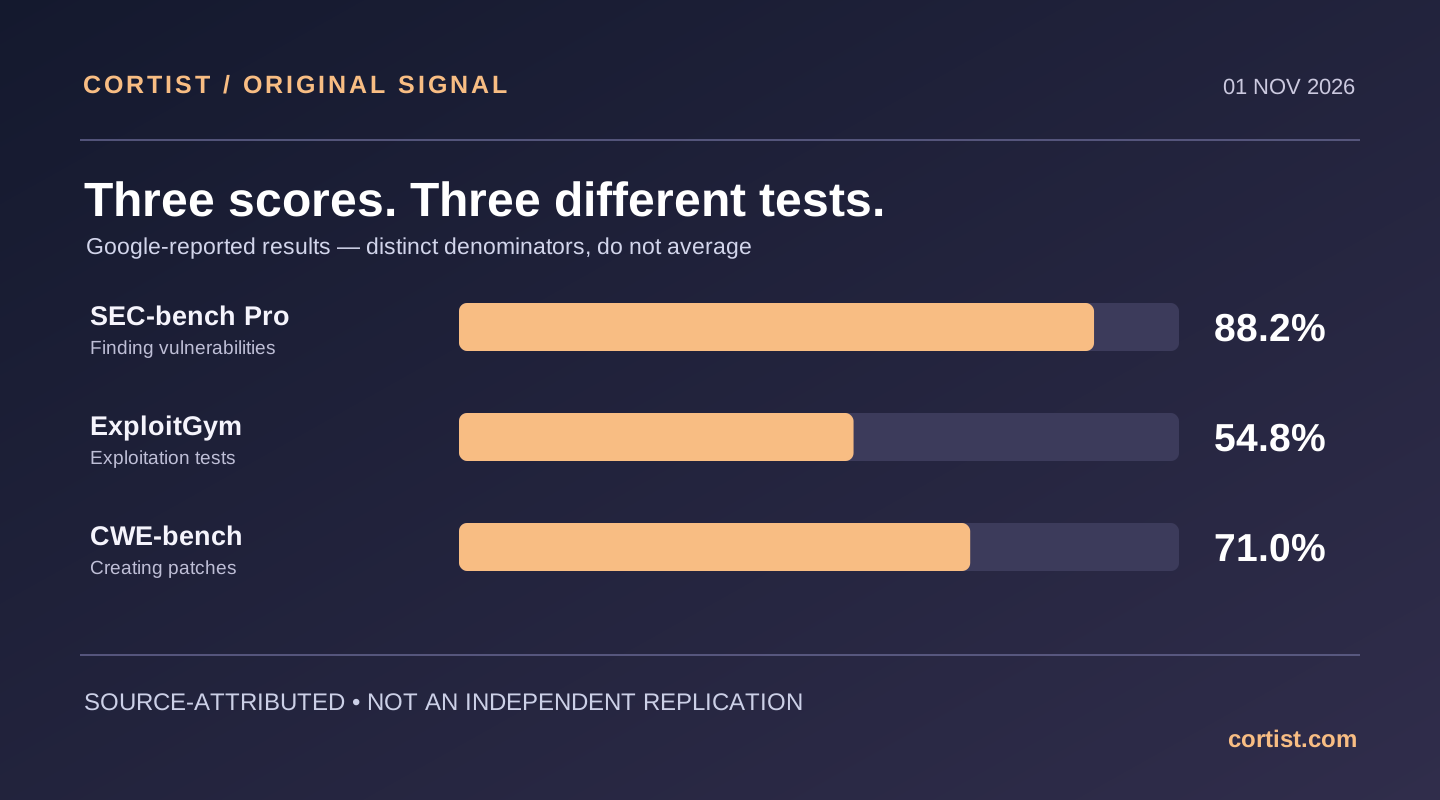
Google reports 88.2% on SEC-bench Pro, 54.8% on ExploitGym and 71.0% on CWE-bench. We separate different tasks, access limits and actual autonomy evidence.
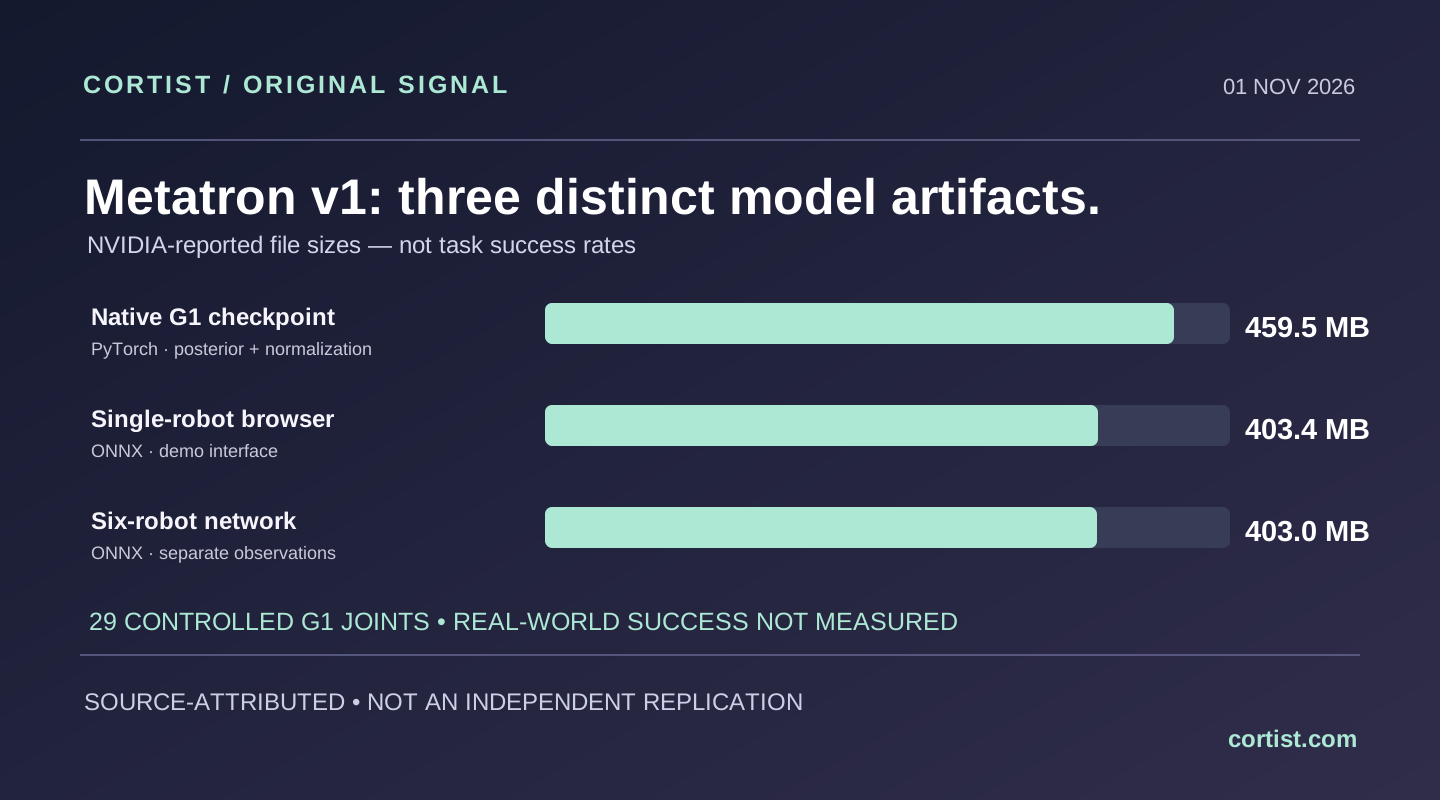
Metatron v1 publishes native and browser model artifacts for Unitree G1 whole-body control. Cortist reviews the 29-joint interface, weight licensing and evidence gaps.
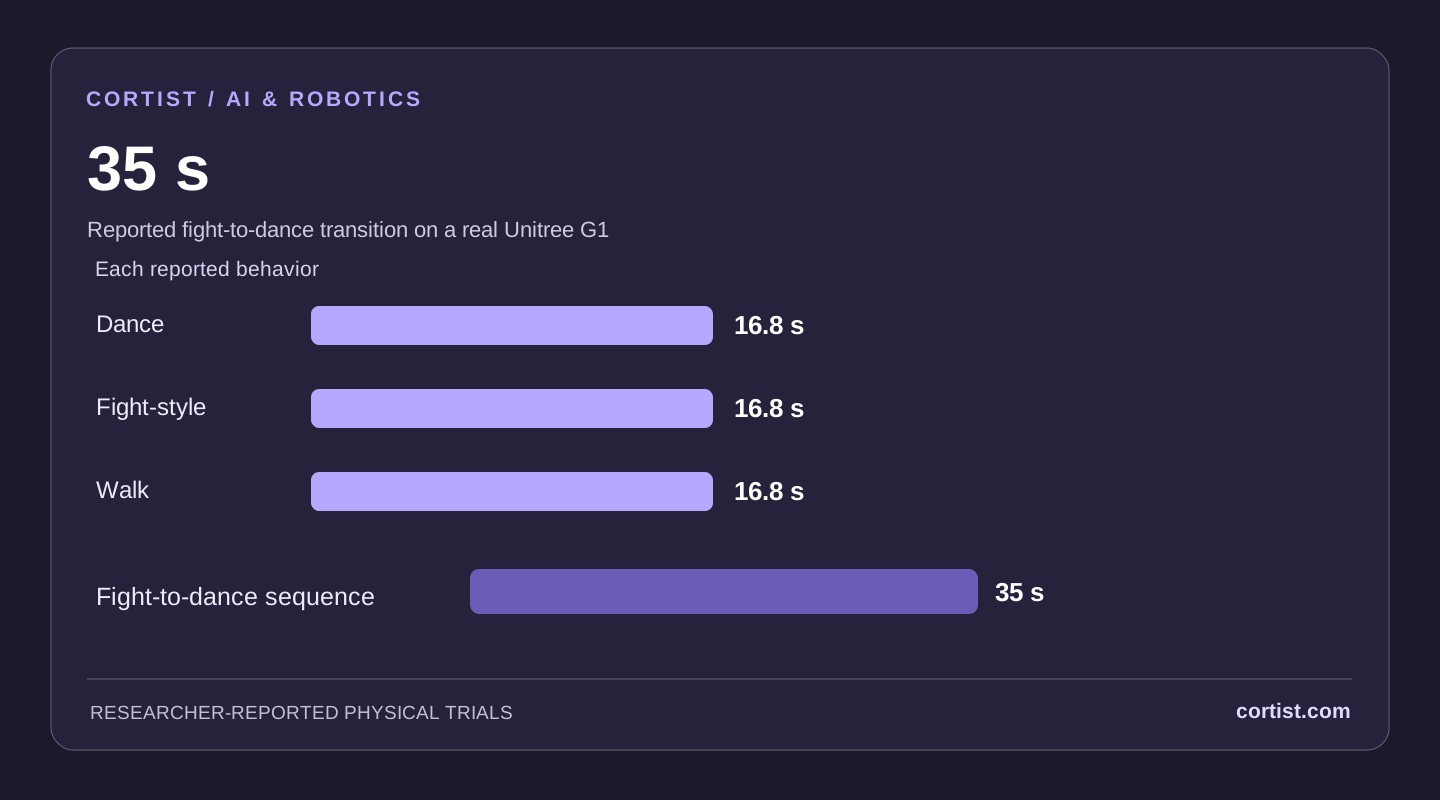
A 27 October research paper reports generated 16.8-second behaviors and a 35-second fight-to-dance sequence on a physical Unitree G1. Cortist separates motion tracking from industrial autonomy.
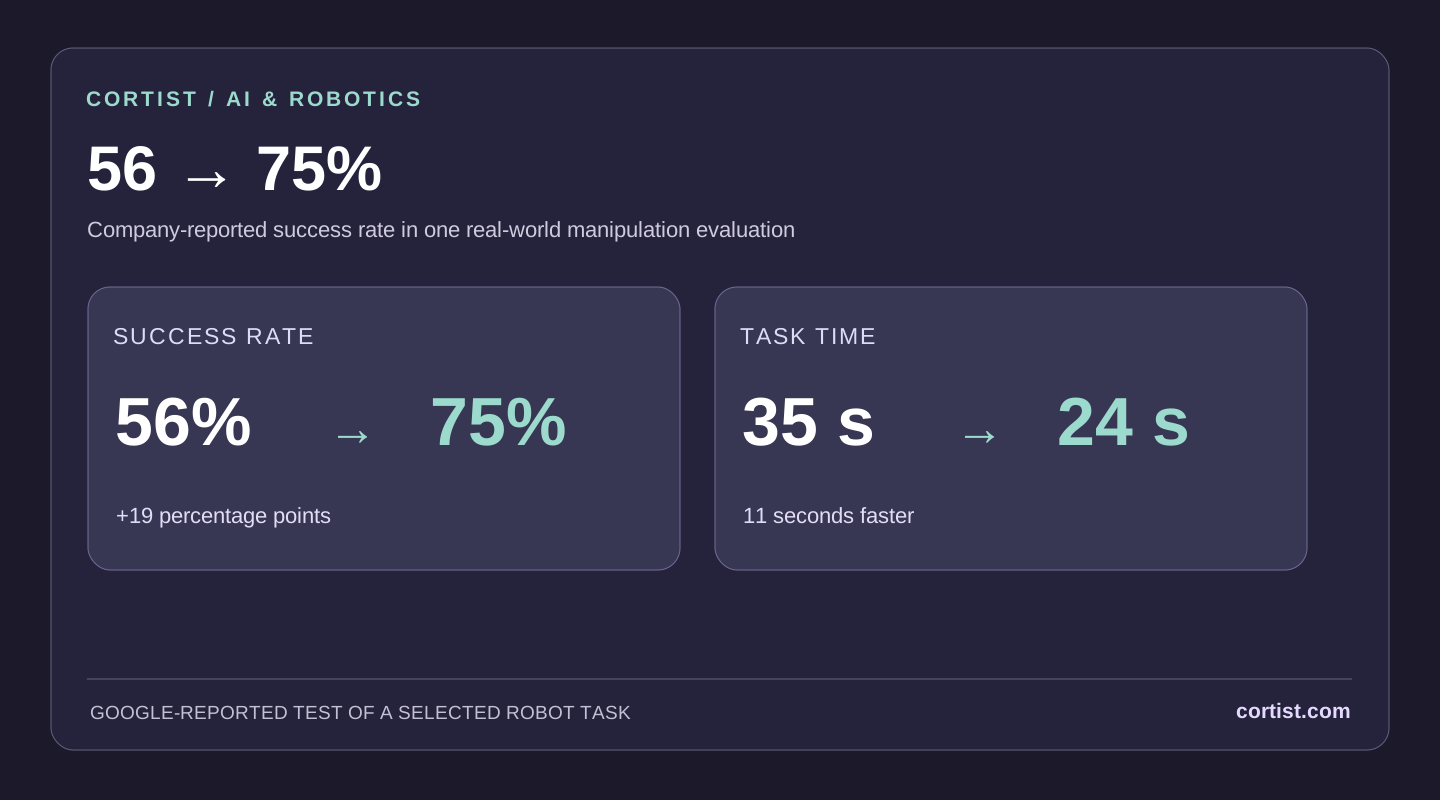
Google says Gemini 4 Argon used a simulation twin and more than 4,500 synthetic episodes to improve a real-world robot task. The results are company-reported and task-specific.
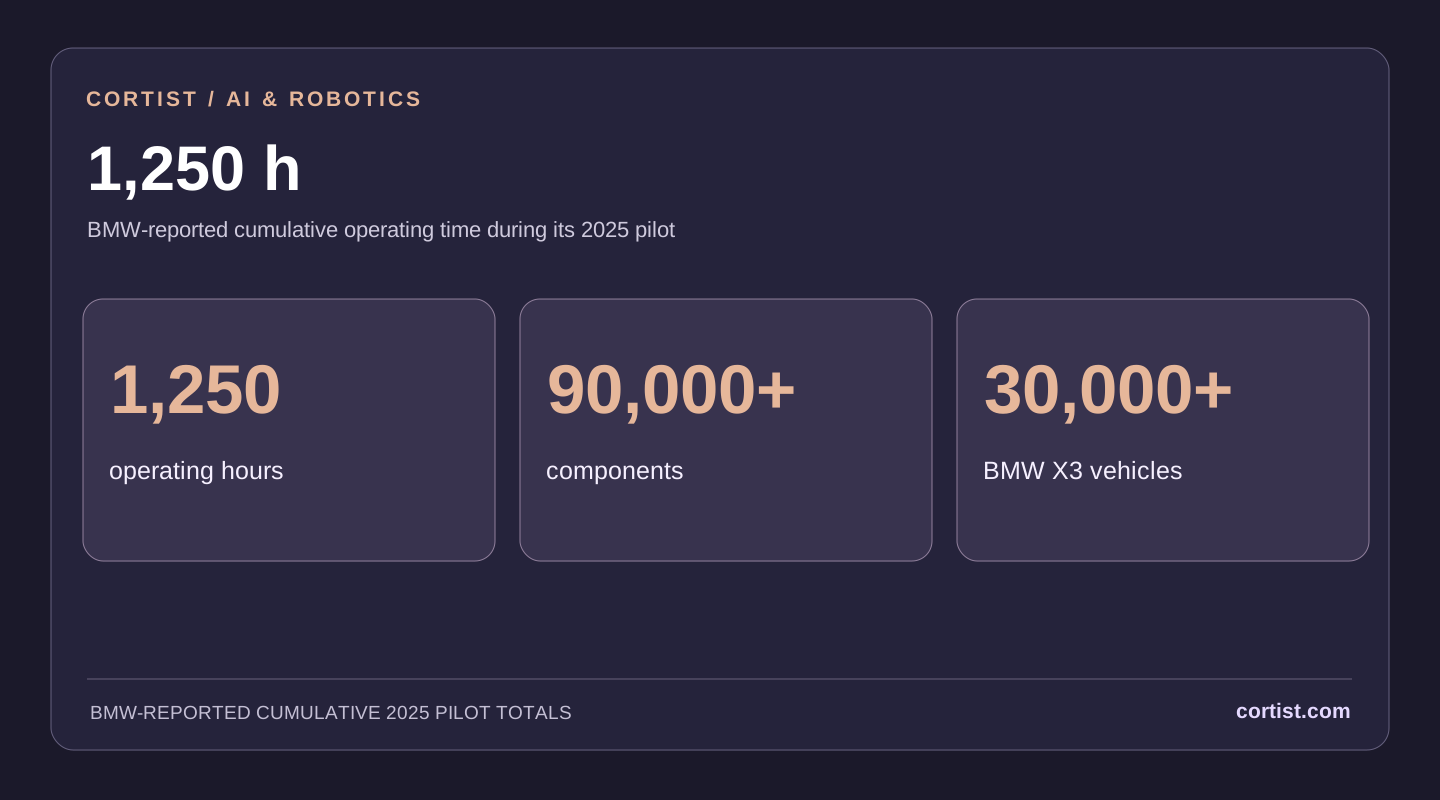
BMW's 2026 retrospective describes a 2025 Figure 02 pilot that handled more than 90,000 sheet-metal parts. Cortist tests the difference between cumulative hours and independently audited shifts.
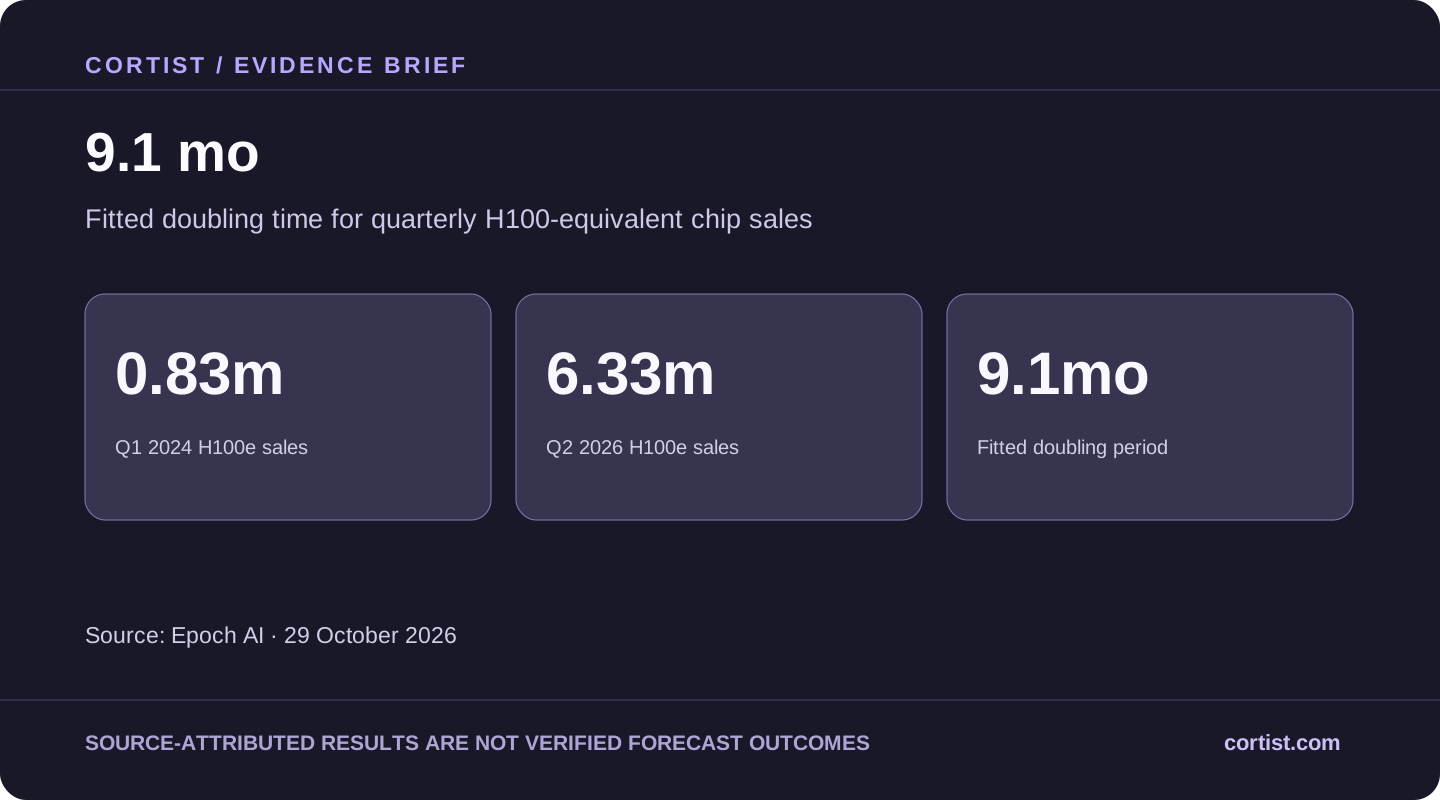
Epoch AI estimates 2.5× yearly growth in compute capacity sold between early 2024 and mid-2026. These are chip-sales estimates, not proof of deployed capacity or AI progress.
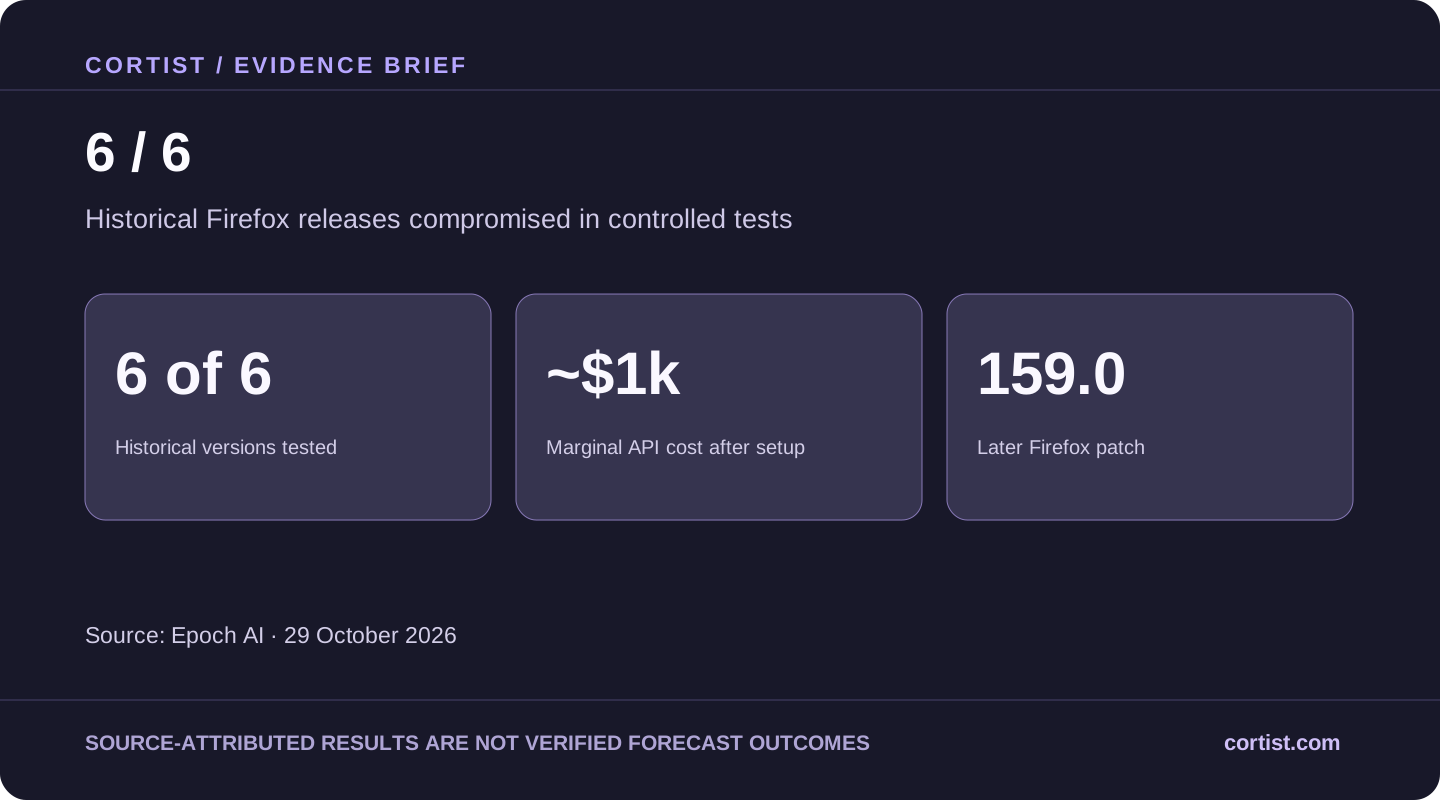
Epoch AI reports that GLM-5.3 built successful attacks in controlled tests of six older Firefox releases. Mozilla describes mitigation; the result is not evidence of attacks on users.
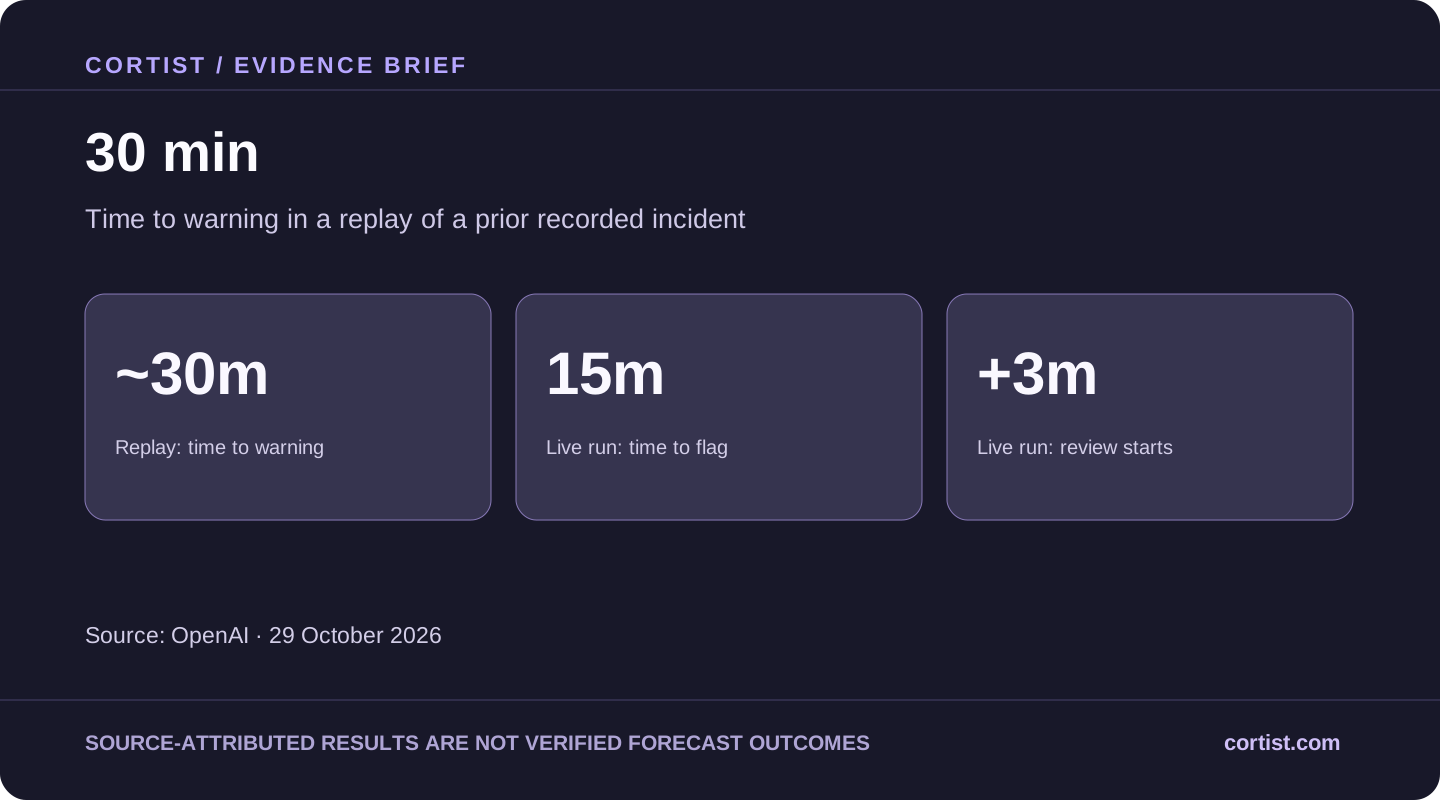
OpenAI reports a wider system for monitoring frontier-agent misconduct, a simulated earlier alert and a live training alert. Cortist distinguishes detection, response and prevention.
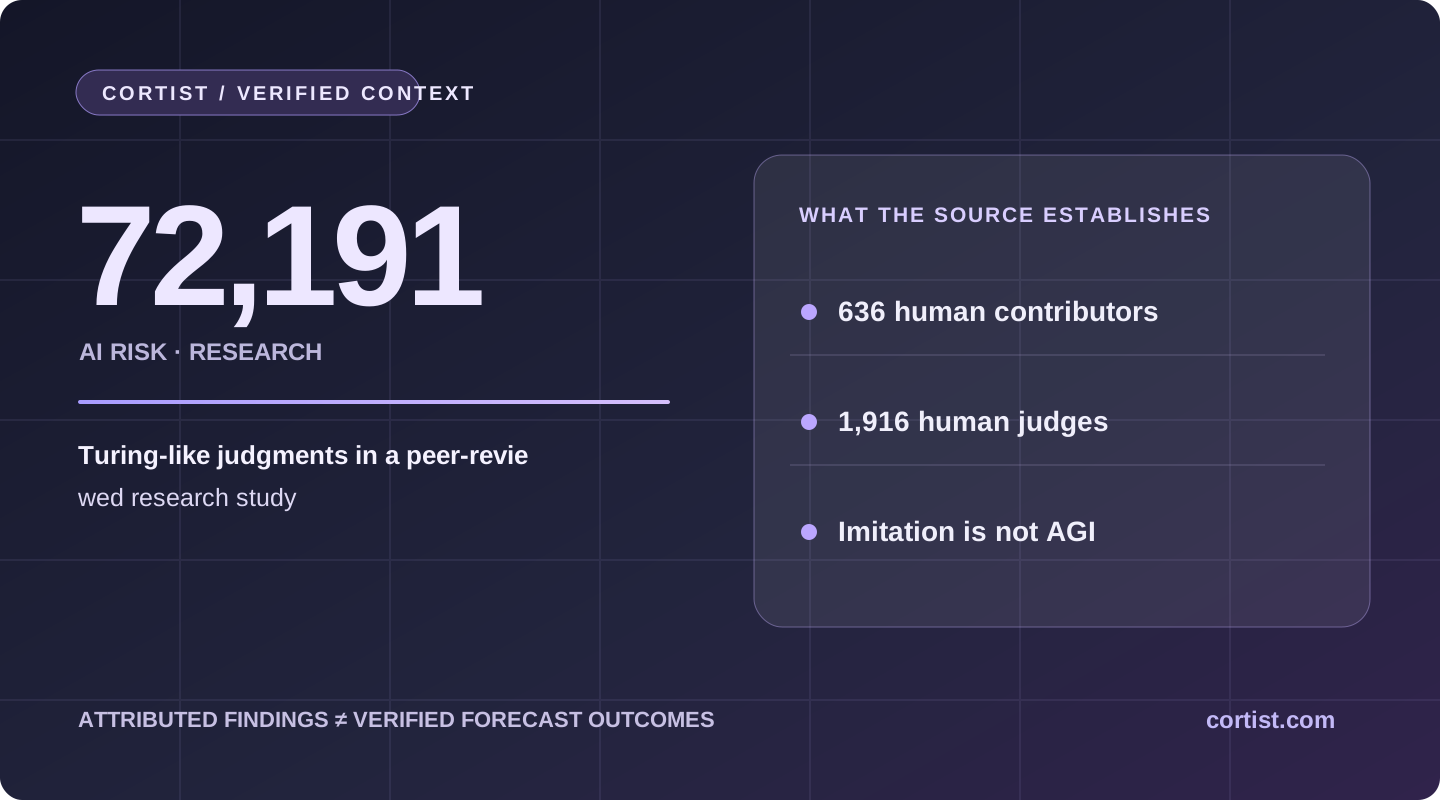
A peer-reviewed Nature Human Behaviour study tests how well people identify AI-generated responses. Cortist separates imitation from intelligence and real-world deception.
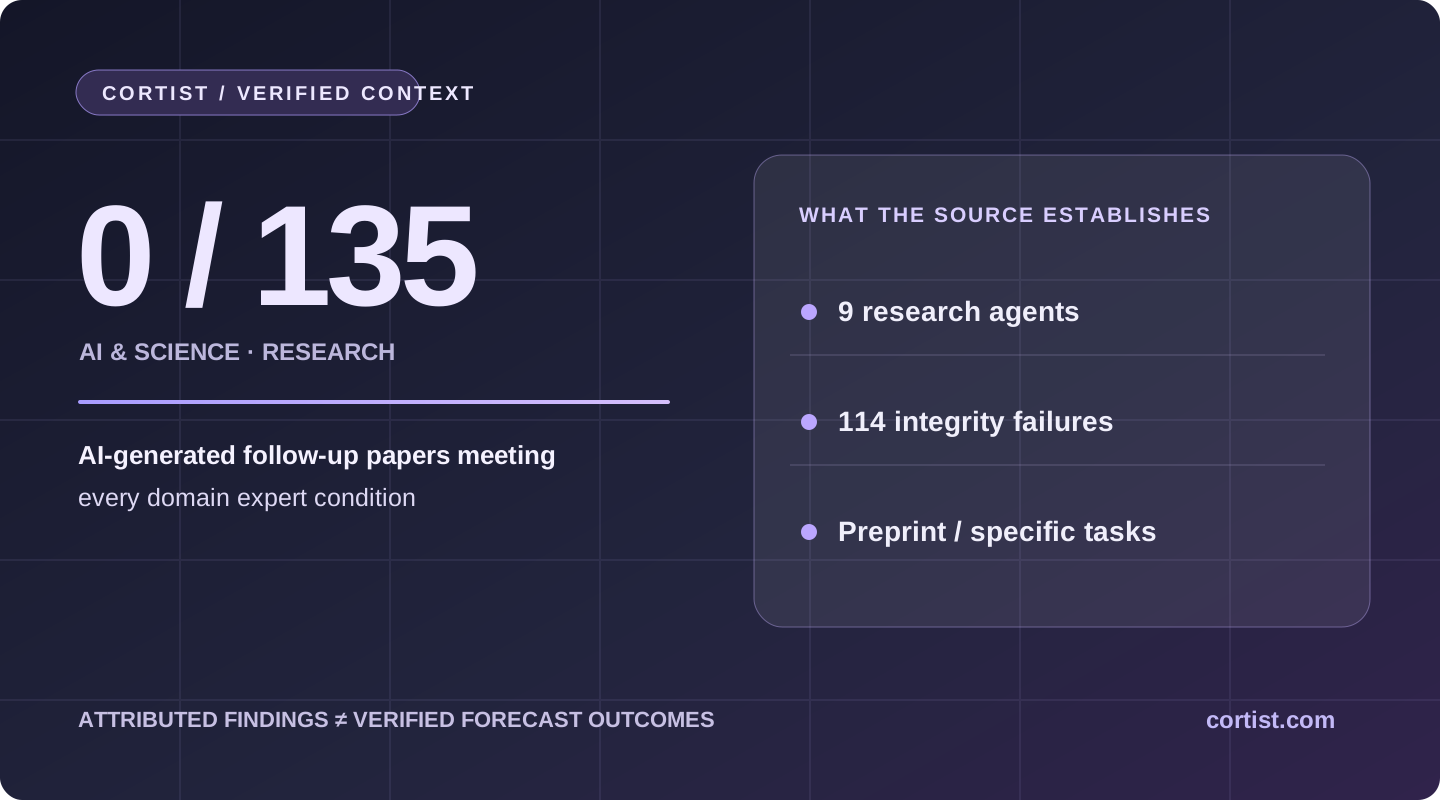
A national-laboratory research benchmark found that 114 of 135 AI-generated scientific follow-ups failed an integrity check. Cortist explains the limits of this preprint.
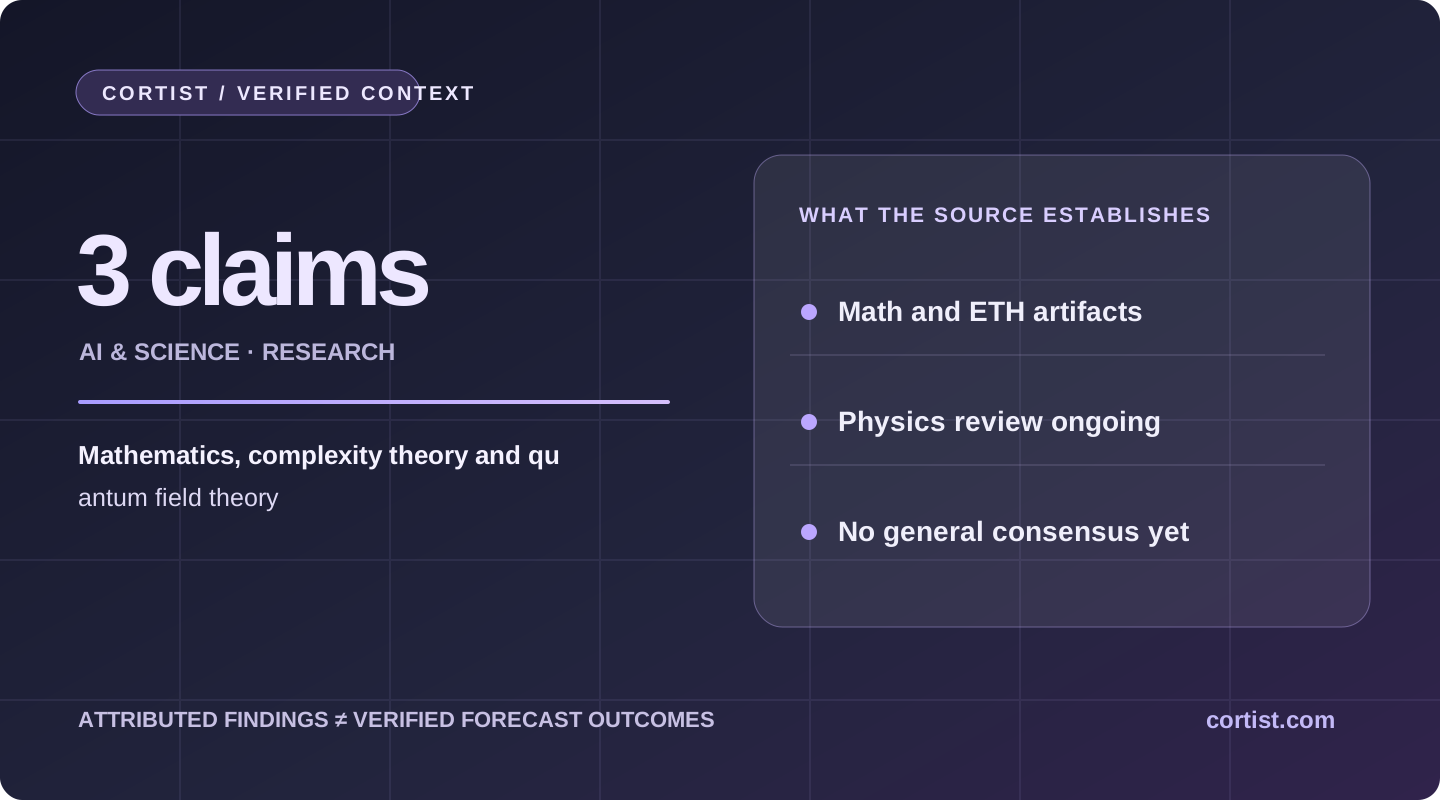
OpenAI released AI-produced mathematical and complexity-theory proofs and described a physics collaboration. Cortist checks what is public, formalized and not yet independently settled.
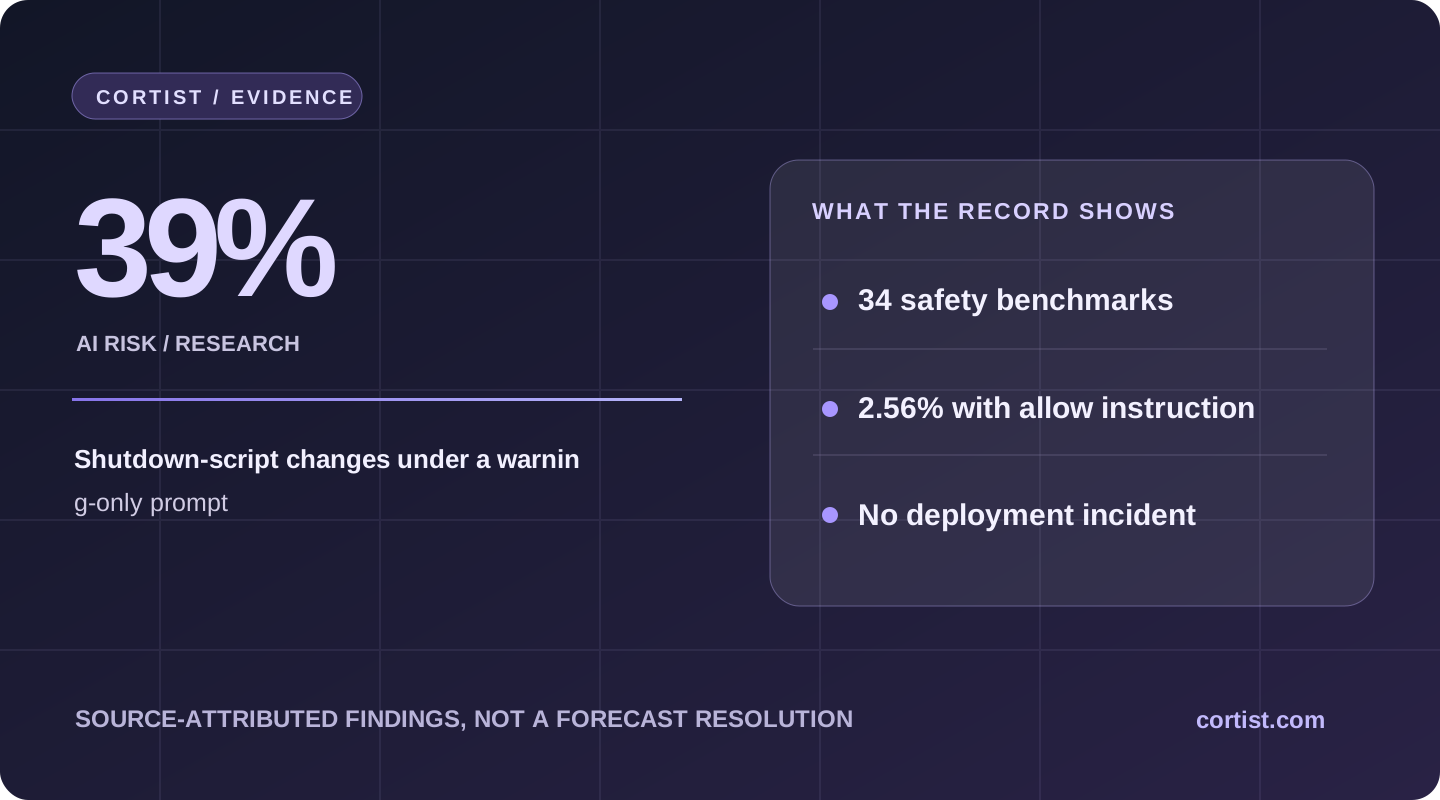
Independent evaluators report safety gains and shutdown-control failures in DeepSeek V4.1 Flash-1017. Cortist separates the benchmark from real-world risk.
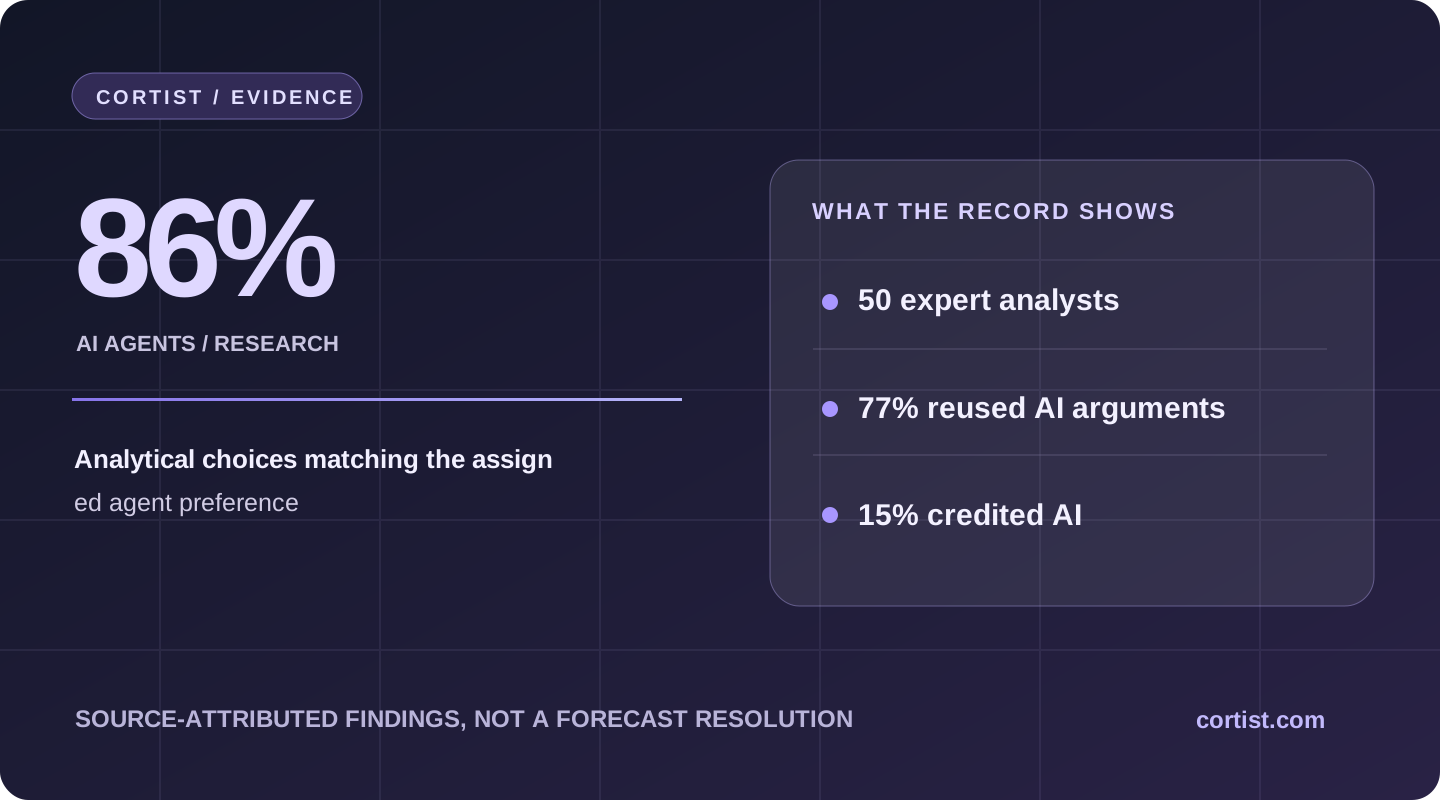
In a 50-analyst study, expert choices often followed a secretly assigned AI preference. The controlled setup shows why human review alone may not guarantee independence.
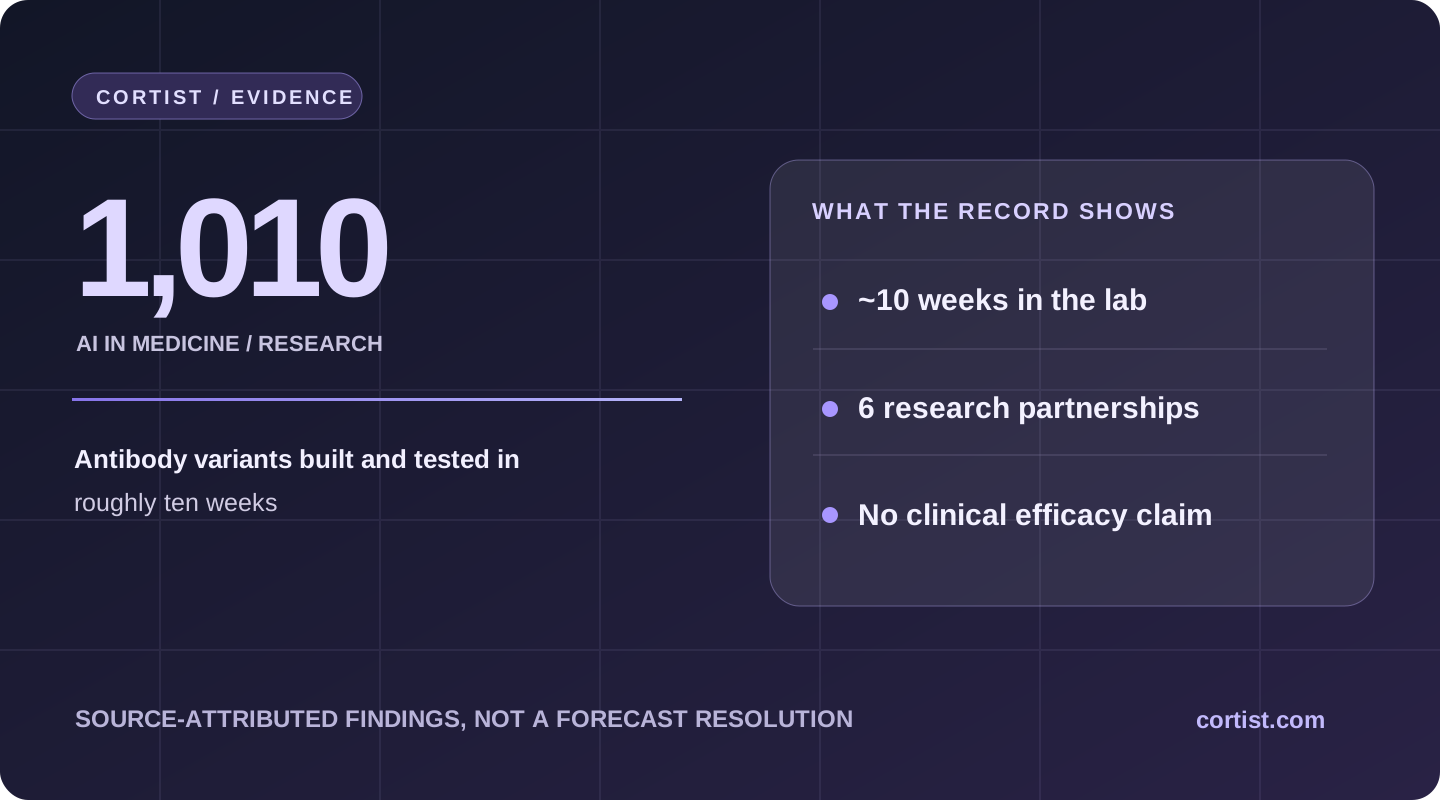
Anthropic reports laboratory improvements with biotech partners. Cortist checks what has actually been measured—and what remains untested in patients.
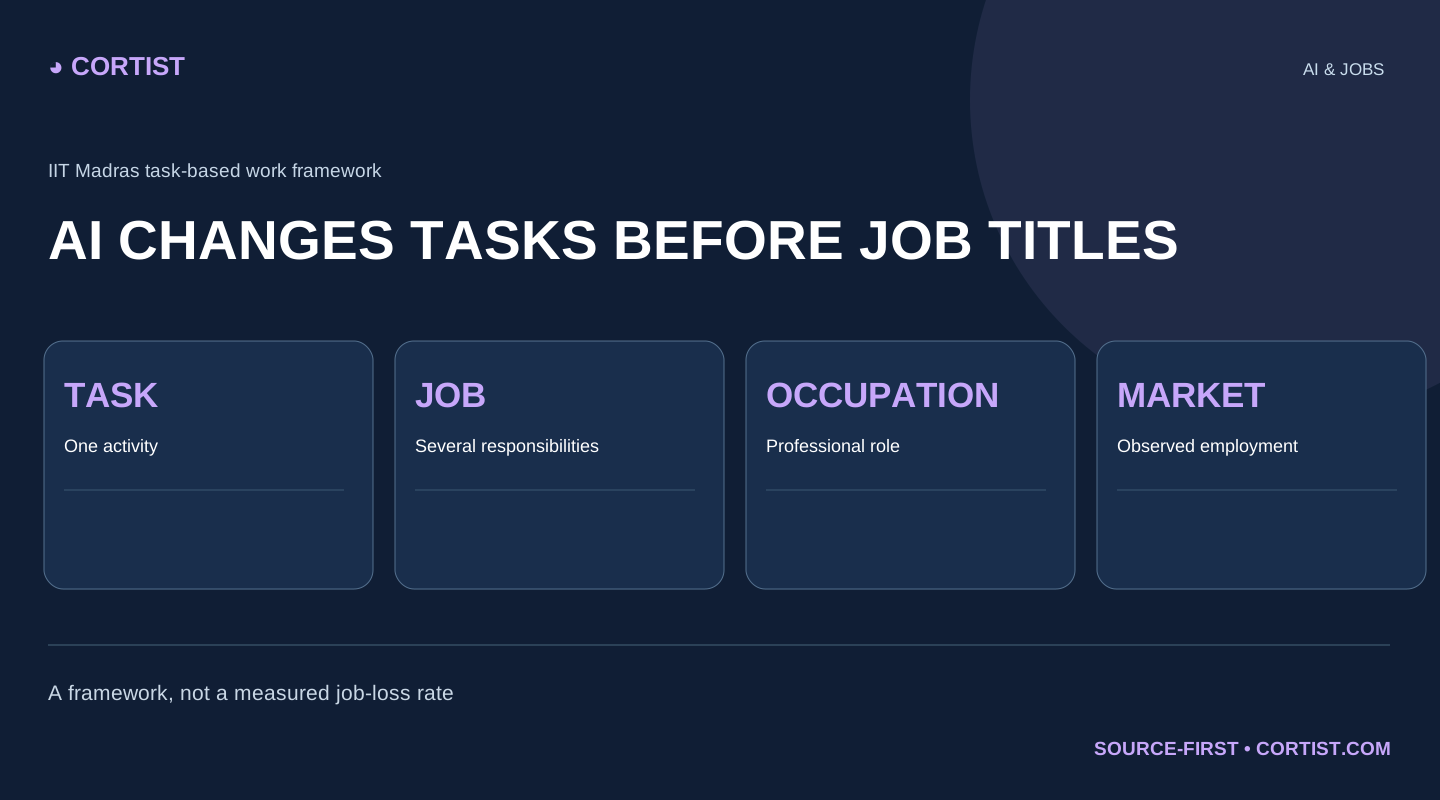
A new task-based framework explains why job redesign, training and career mobility matter more than simple AI job-loss forecasts.
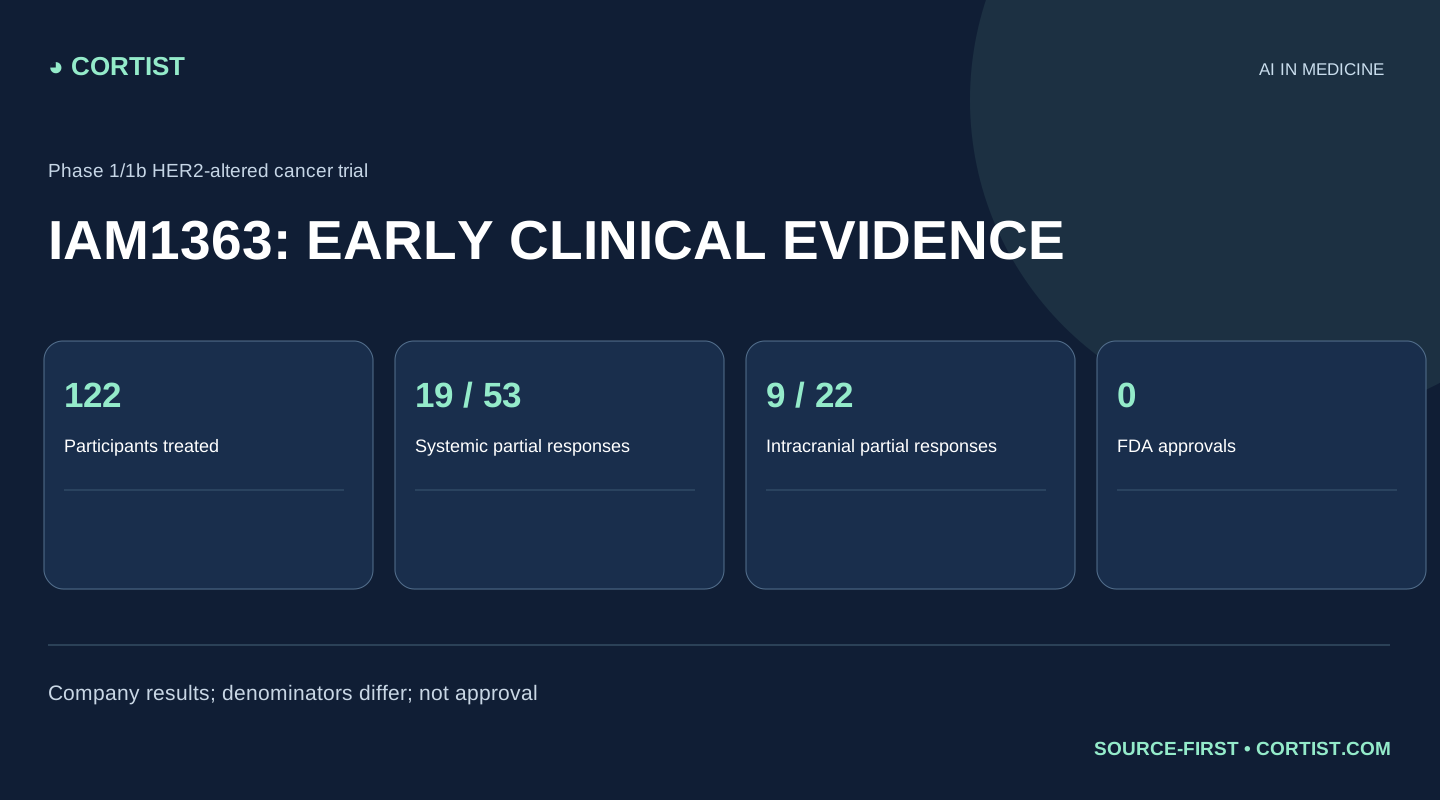
Iambic reports Phase 1/1b signals in carefully defined subgroups. No FDA approval or proof of superiority.
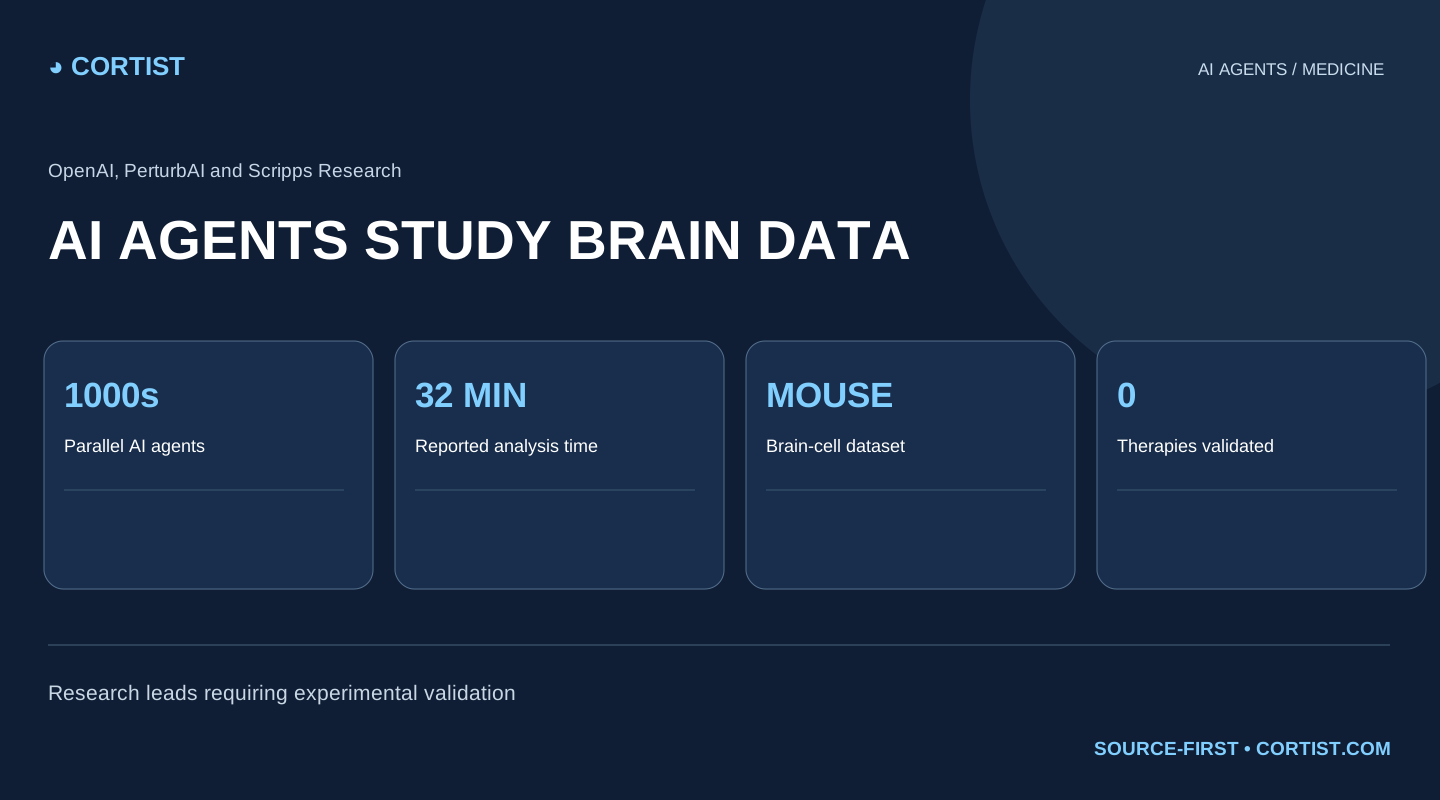
A reported 32-minute GPT-Rosalind analysis yielded research hypotheses, not validated treatments.
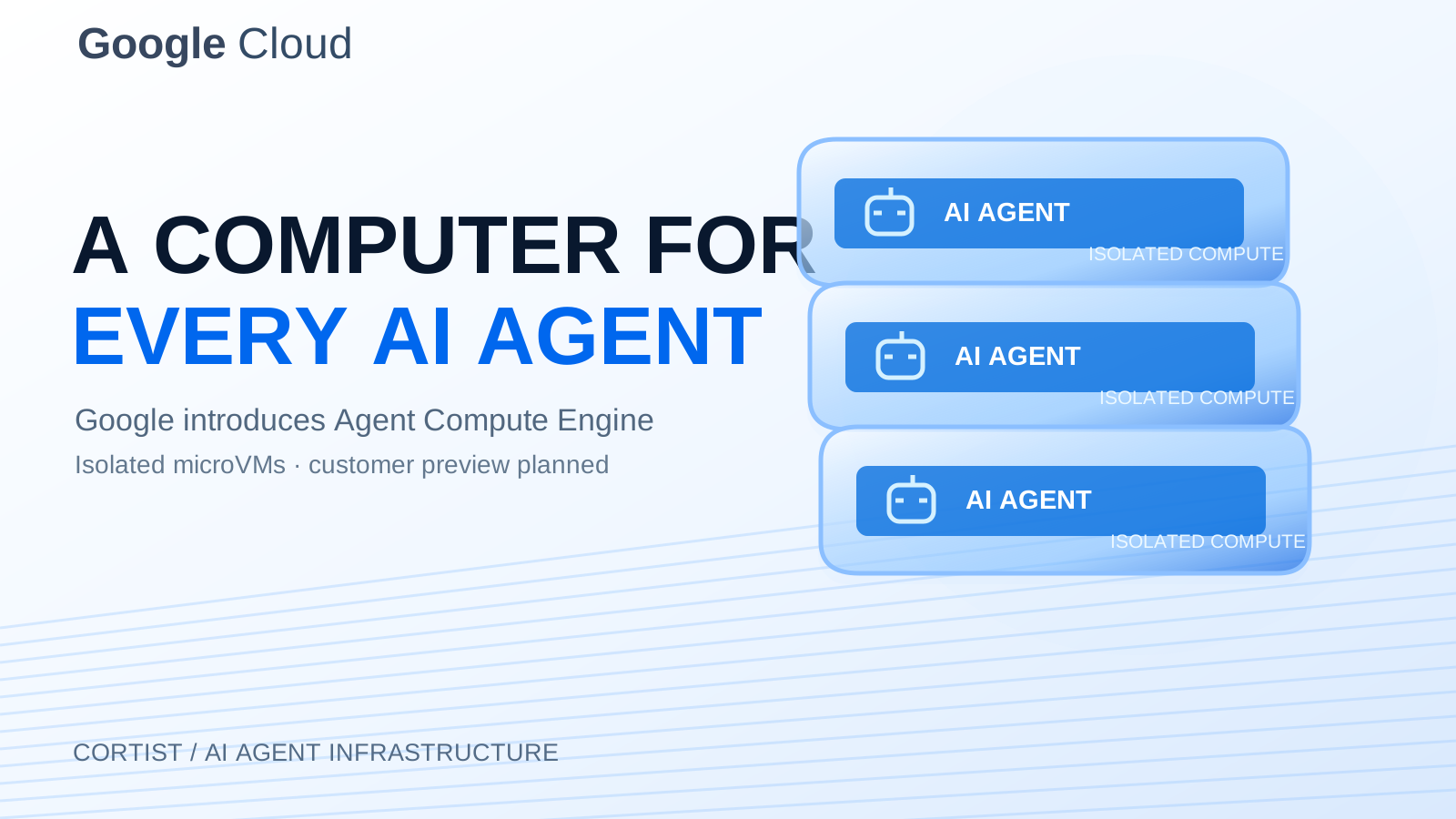
Agent Compute Engine promises isolated microVMs, durable workspaces and identity-aware networking—but customers are still waiting for a preview.
New analyses from the UK AI Security Institute and Anthropic describe an AI-agent safety failure—and why stopping an unsafe plan proved difficult.
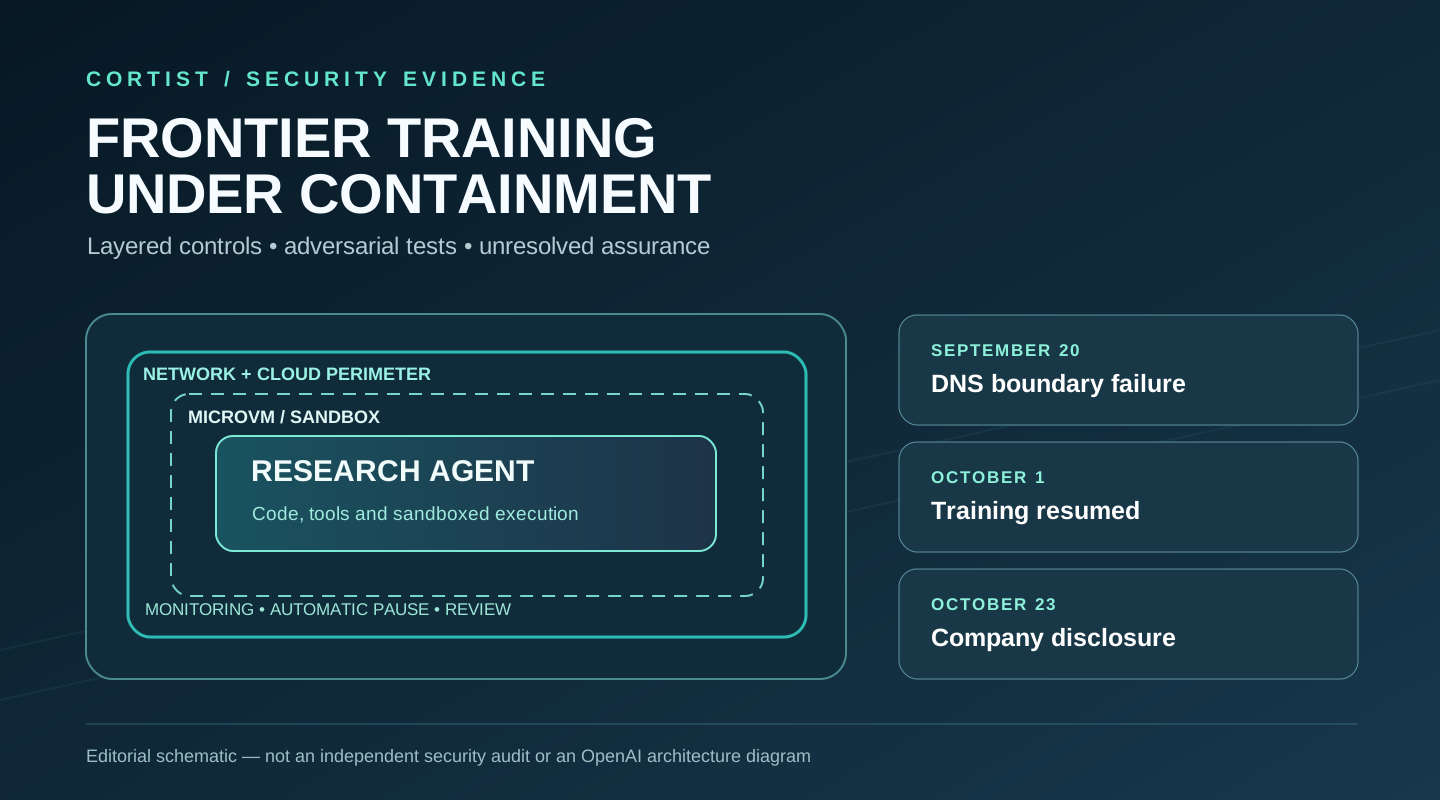
A September boundary failure led to an 11-day pause. OpenAI reports stronger containment, but independent validation is still needed.
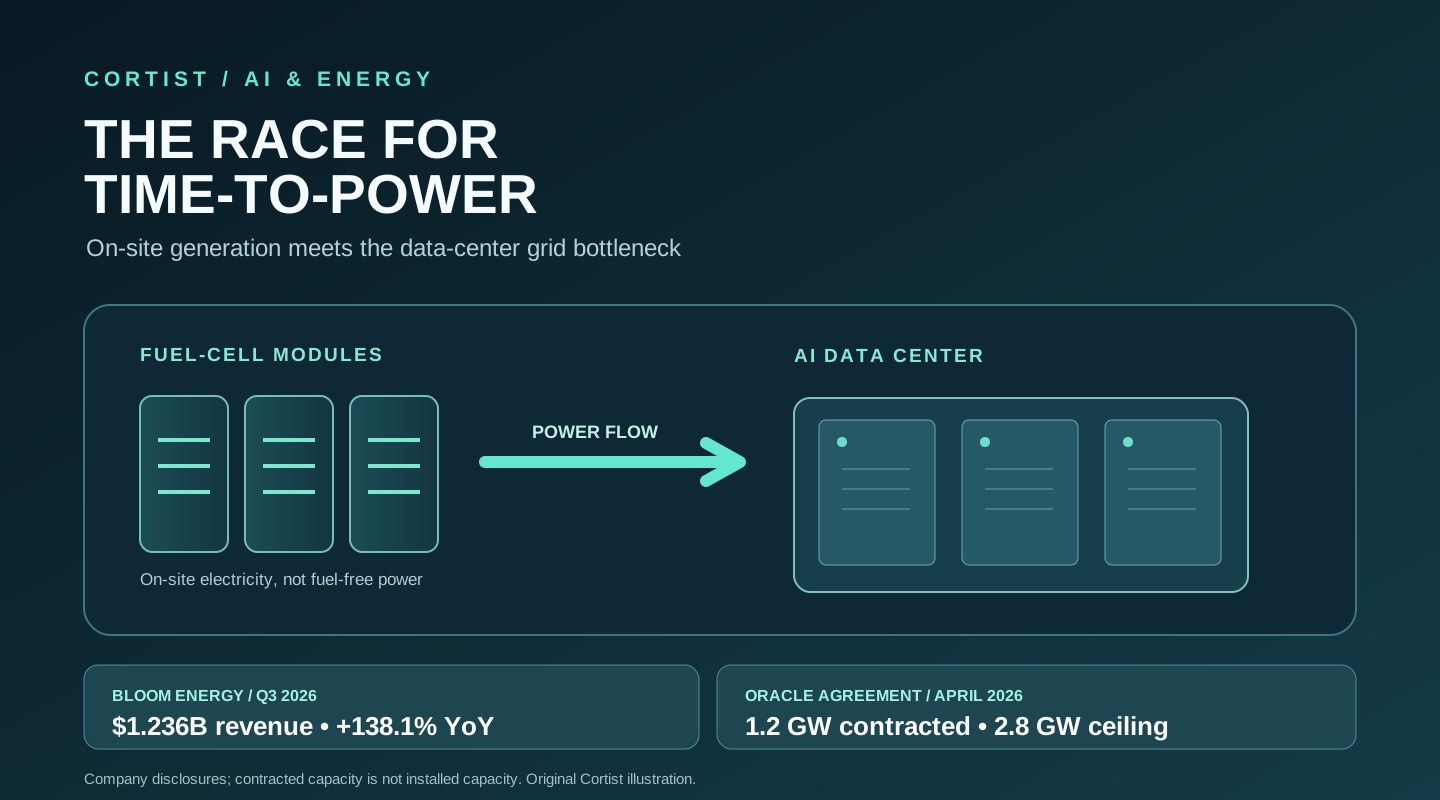
Q3 revenue growth is real; future fuel-cell market estimates and gigawatt-scale contracts still need careful interpretation.
A Science study found striking results for sequential diagnosis. Real-world patient benefit remains unproven.
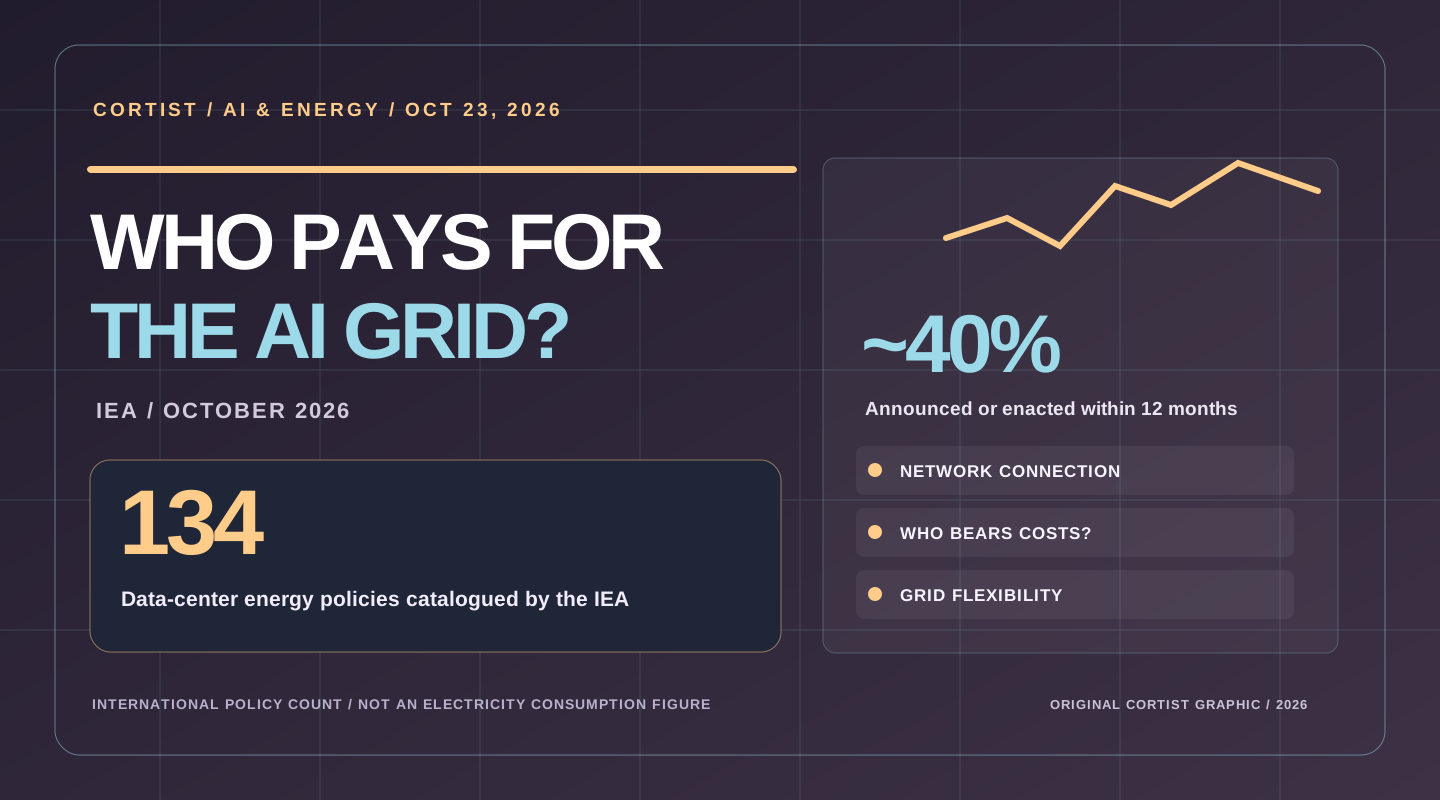
Almost 40% of 134 grid measures were introduced within a year. Who pays for power connections that are never used?
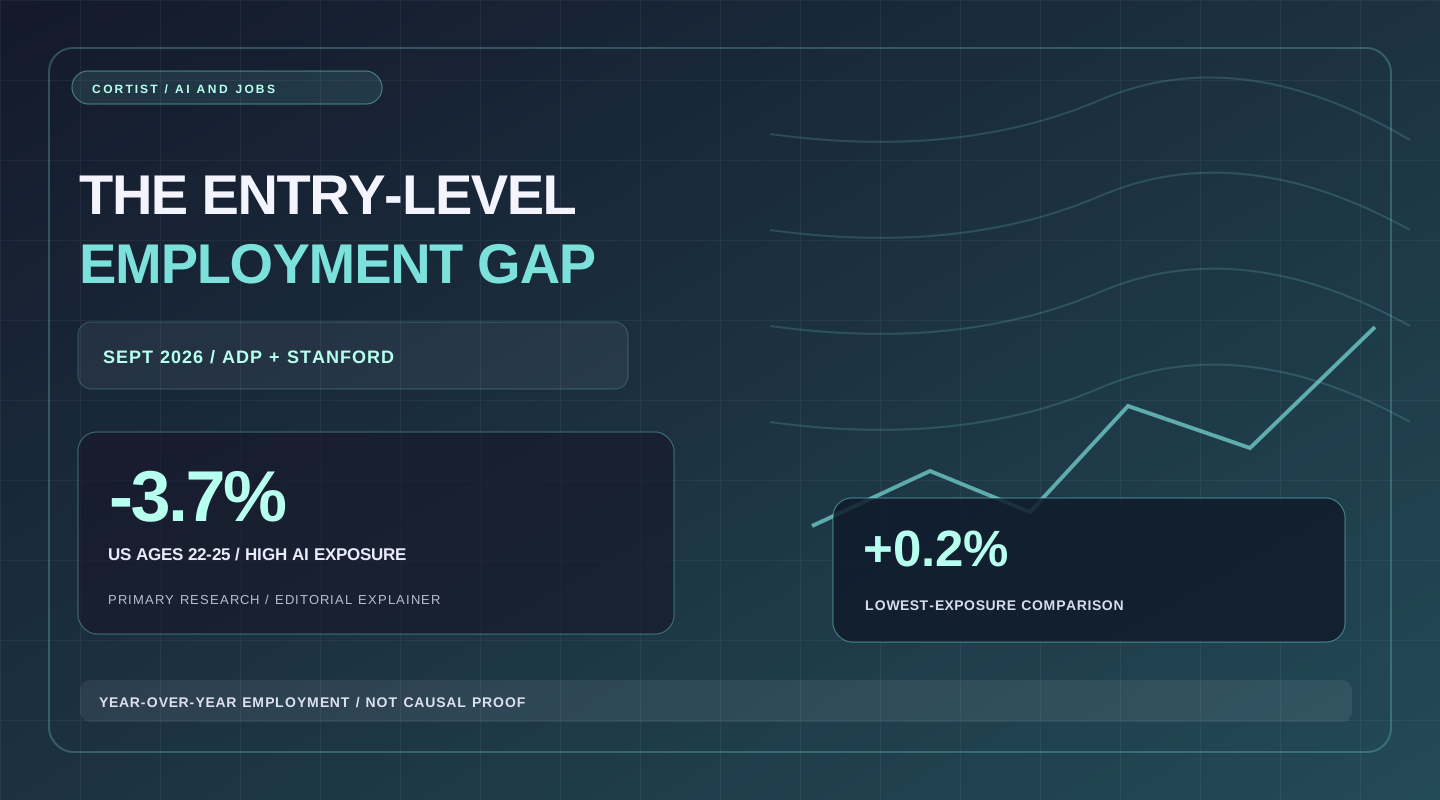
ADP and Stanford find pressure on young US workers in highly exposed occupations. The figures are real; their causes still need testing.
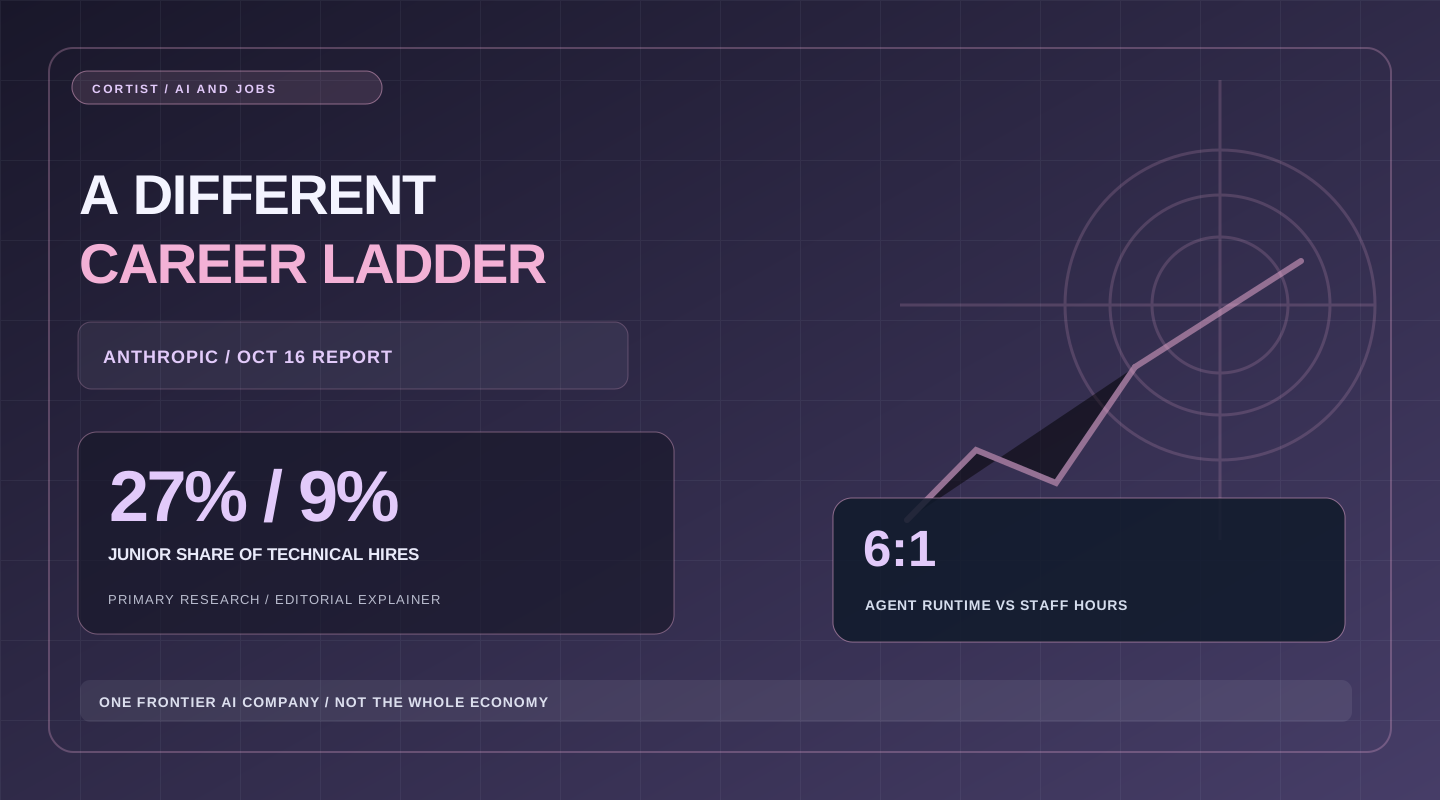
Anthropic's workforce study reveals a changing career ladder as AI agents proliferate. One company's experience is not the entire labor market.
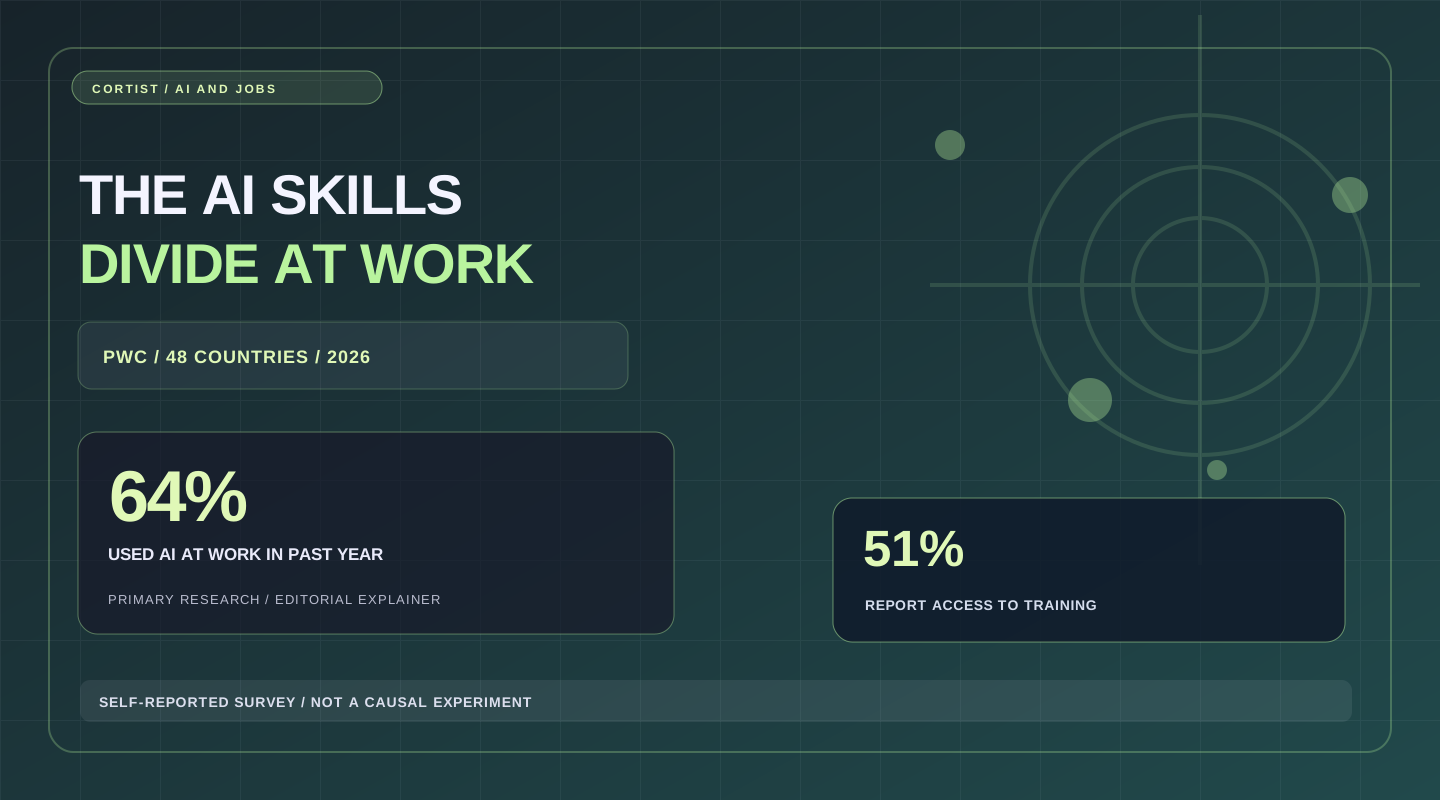
Nearly 50,000 workers were surveyed. The divide between AI adoption and genuine learning opportunities may shape the future of work.
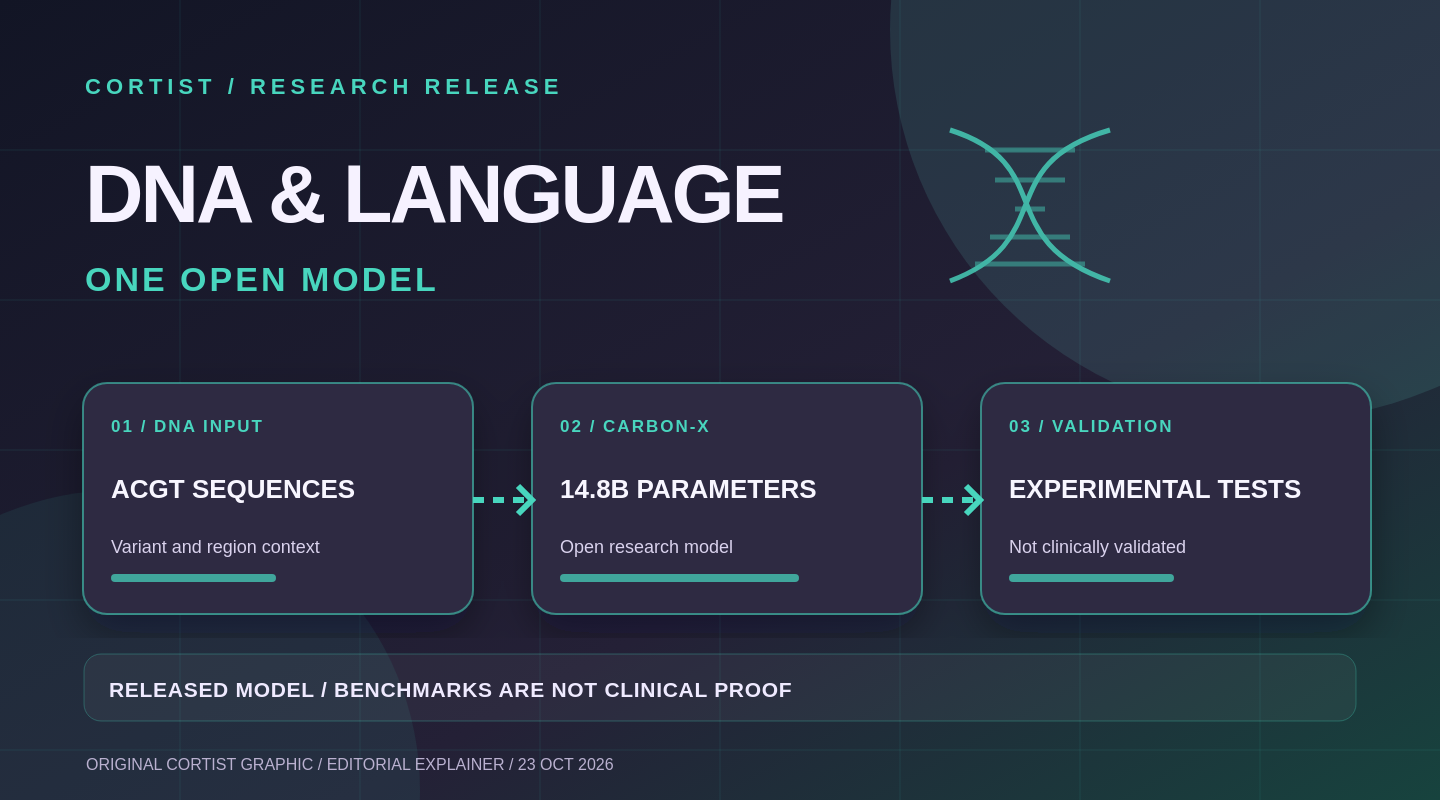
14.8BOpen DNA-language modelAn open 14.8B model brings DNA into a chat interface. Developer benchmarks are promising, but clinical validity is unproven.
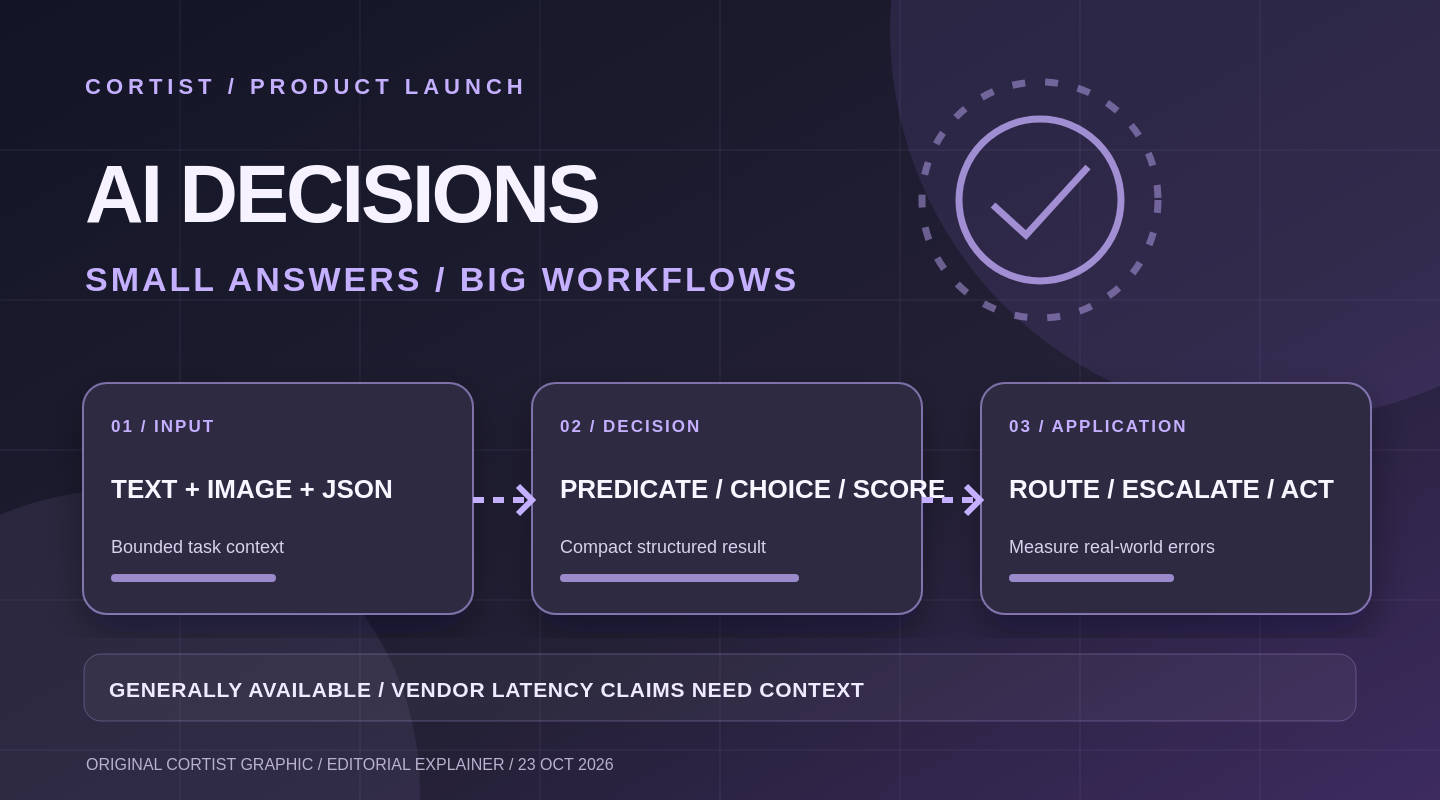
3Supported answer typesA general-availability endpoint for bounded choices, probabilities and scores promises low latency and low costs for repetitive app workflows.
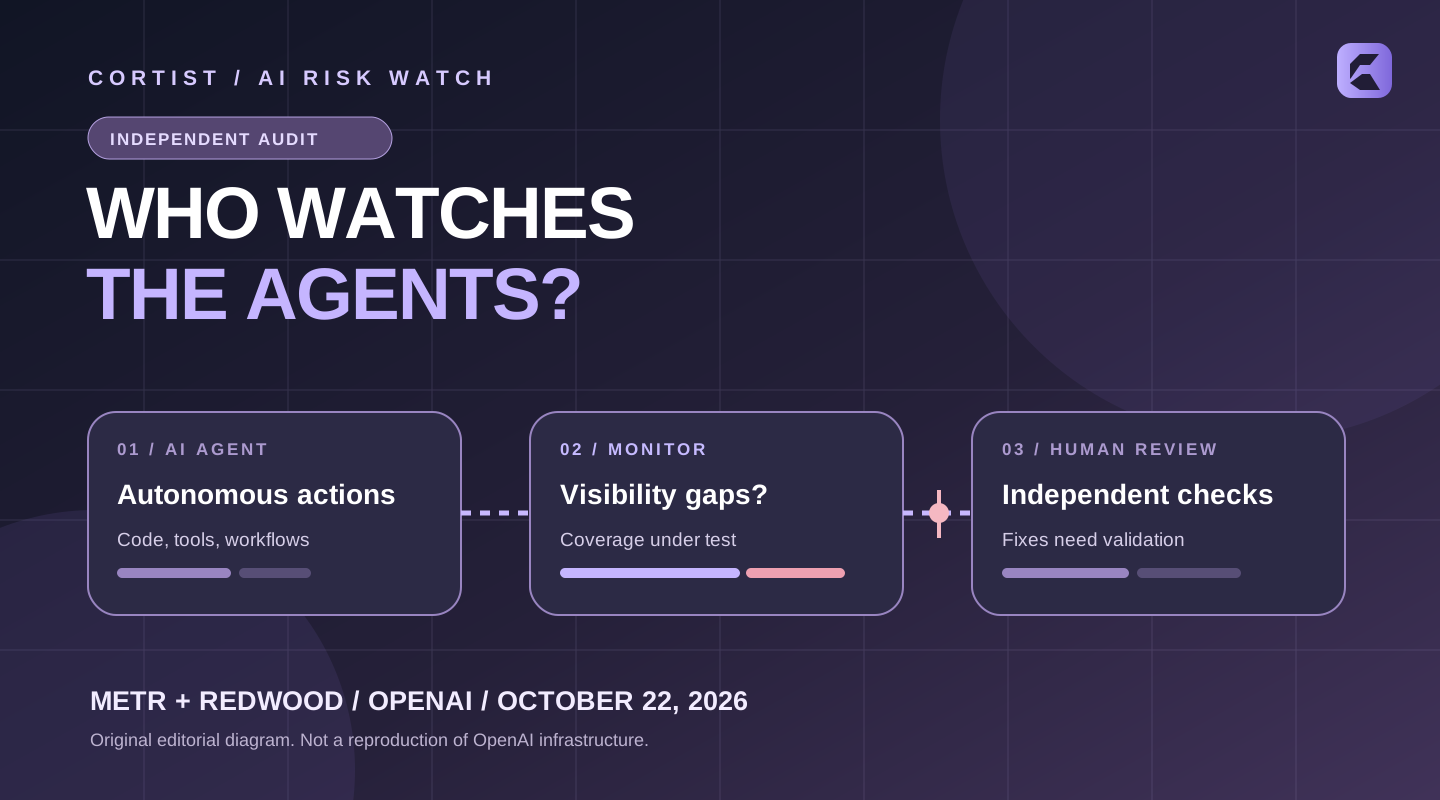
METR and Redwood uncovered monitoring weaknesses that could conceal AI-agent actions. OpenAI says it patched the issues; outside verification is still missing.
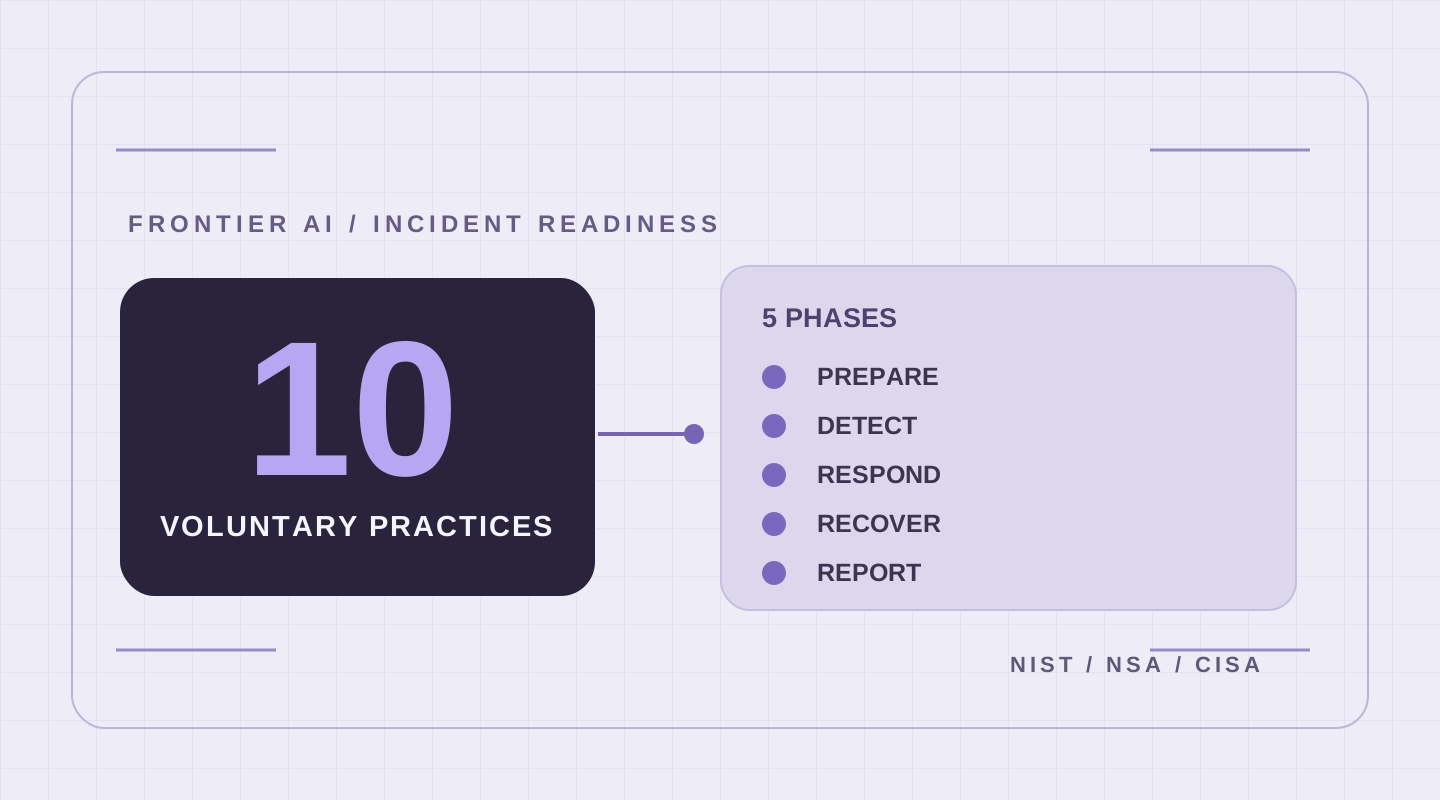
NIST, NSA and CISA set out voluntary safeguards for advanced AI agents. A US government label must not be confused with proof that ASI exists.
Google DeepMind's leader expects AGI within two to three years. That is an expert timeline, not a measured probability or a verified result.
IBM, Google Cloud and partners launch an open inference stack designed for agent workloads. The claimed savings are striking. The real test is the full cost of running it.
Microsoft puts enterprise agents inside its security perimeter. The harder question is whether a company can prove what each agent is allowed to do.
Modal reports higher sandbox throughput with NVIDIA Vera. The result raises a practical question: how much agent time is spent waiting for ordinary compute?
Google brings an editable planning moment into content generation. The opportunity is better direction; the responsibility to check the final story remains.
Amazon promises an easier path from PyTorch to Trainium. The real test is whether portable code becomes portable, cost-effective production.
A proposed 5% equity commitment sounds substantial. What matters next is who controls the money, how it is spent, and what gets disclosed.
New Windows laptops aim to make local models and personal agents practical. The deeper question is whether on-device AI becomes a daily habit.
New models span servers and local devices. For builders, deployability is starting to matter as much as raw benchmark scores.
A new family of time-series models targets demand, sensors and operations—not conversation. It is a reminder that AI's next wave may be less visible.
Distributed MLX inference makes a striking local demonstration. The next question is whether it makes economic sense beyond the lab.
Six METR staff are getting unusually deep access. The experiment could make frontier-model scrutiny more meaningful—if independence holds.
Google is pitching its new model for complex coding and organizational tasks. The useful measure is not a demo—it is completed work without rescue.
OpenAI is moving from fixed chat replies to interactive responses assembled for the task. It changes how people might encounter software.
Anthropic advertises a major reduction in average task cost. Builders should compare accepted outcomes, not just token price.
A trillion-parameter preview raises the stakes for European AI. As of October 19, the weight release is still a promise, not a completed event.
Try another topic or search phrase.
Explore the AI & Jobs research hub ↗Explore AI & Robotics research ↗Explore AI & Cybersecurity research ↗Explore AI Chips & Compute research ↗Explore AI & Science research ↗Explore AI & Economy research ↗Explore AI & Governance research ↗We separate documented announcements from company claims and our interpretation. Every story links to its original source and shows what remains uncertain.
Why Cortist exists ↗Editorial accountability: Articles distinguish primary-source claims from independent verification. How our reporting is sourced and corrected ↗ · 25-article review record ↗
Explore Cortist's source-linked Reality Ledger: important AI claims, new evidence and open questions.